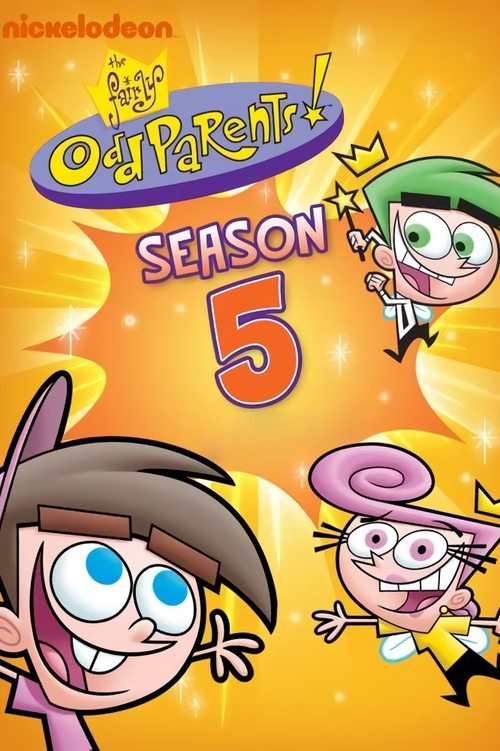
The Fairly OddParents
Season 5 Analysis
Season Overview
No specific overview for this season.
Season Review
Categorical Breakdown
Characters are defined by their distinct personalities and roles within the school hierarchy rather than their race or intersectional status. Supporting characters like AJ and Trixie are treated as individuals with merit-based traits, such as intelligence or social standing, without any racial lecturing.
The Turner parents and school faculty are portrayed as inept for the sake of comedy. These characterizations serve as a staple of children's animation rather than a critique of the nuclear family or Western institutions.
The show follows the sitcom trope of the nagging, competent wife (Wanda) and the dim-witted, impulsive husband (Cosmo). While Mr. Turner is frequently emasculated for laughs, the narrative lacks any modern 'girl boss' framing or lectures on patriarchy.
The season contains no references to alternative sexualities or gender ideology. It remains firmly rooted in a traditional understanding of male and female roles and nuclear family structures.
Magic serves as the primary supernatural element in a purely secular world. The show does not display hostility toward traditional religion, though it functions in a spiritual vacuum where magic rules replace any higher moral law.