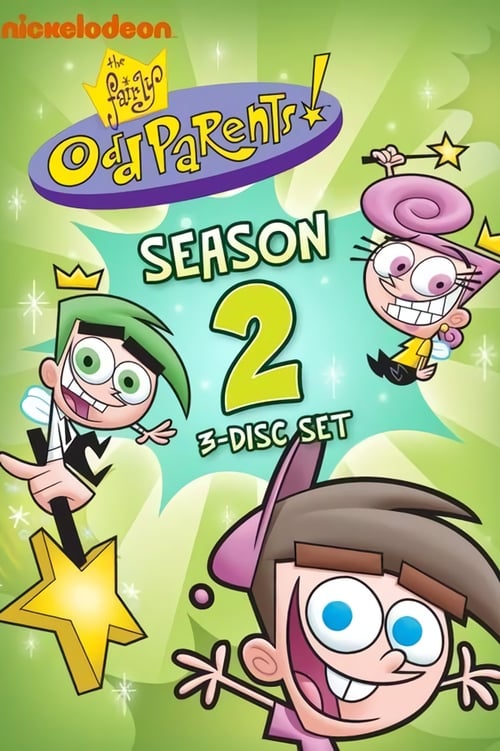
The Fairly OddParents
Season 2 Analysis
Season Overview
No specific overview for this season.
Season Review
Categorical Breakdown
The cast includes diverse characters like AJ and Sanjay, but their race is never a plot point or a source of conflict. The show operates as a meritocracy of humor where characters are defined by their interests and personalities.
The series portrays parents and teachers as incompetent for comedic effect, which is standard for children's media. It does not frame Western civilization or its history as fundamentally evil or corrupt.
The show often portrays Wanda as the intelligent, responsible partner while Cosmo is depicted as a dim-witted child. While it plays with gender-swap tropes in one episode, it does so to highlight traditional differences rather than deconstruct them.
The narrative adheres to traditional social structures for its time. There is no presence of gender ideology or alternative sexualities, and the focus remains entirely on G-rated childhood adventures.
The show is secular and focuses on a fictional magical bureaucracy. It does not express hostility toward religion or faith-based systems, opting instead for a world governed by 'Da Rules' of magic.