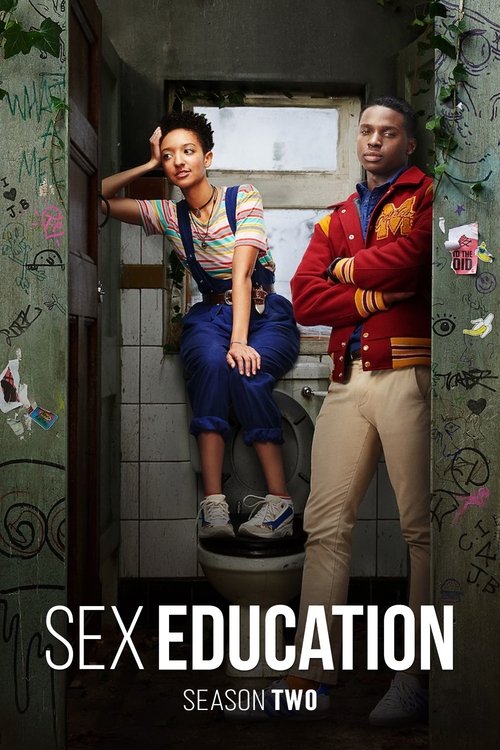
Sex Education
Season 2 Analysis
Season Overview
Otis finally loosens up—often and epically—but the pressure’s on to perform as chlamydia hits the school and mates struggle with new issues.
Season Review
Categorical Breakdown
The narrative explicitly centers the experiences of multiple characters based on their intersectional identity, such as Eric, a gay, black man, whose story confronts systemic issues. Diversity is not merely in casting but serves as the core conflict and source of personal growth. White male authority figures, like Headmaster Groff, are often depicted as authoritarian, emotionally incompetent caricatures whose failures propel the emotional arcs of the non-white and female characters.
The hostility is not directed at Western civilization or ancestors broadly, but rather at specific, repressive institutions and 'received wisdom' (like traditional sex education and old-fashioned masculinity) that the show aims to 'clear-cut.' The critique functions as a progressive reformist effort to update social norms, viewing traditional structures as shields against chaos that have failed and need to be replaced by secular, communicative solutions.
The season's moral climax is a profound focus on female solidarity, notably in a detention sequence, which acts as a 'feminist rendition of The Breakfast Club.' The major female characters' arcs are built around 'reclaiming' their sexuality, fighting victim-blaming, and achieving self-fulfillment outside of traditional male-female pairings. Motherhood and family are secondary to career and personal, secular self-actualization. Male characters, including the protagonist Otis, are frequently shown as bumbling, emotionally constipated, or toxic, functioning primarily as catalysts for the female characters' empowerment.
Alternative sexual identity is the most dominant theme in the show, earning a top score. The season aggressively expands its coverage to include pansexuality, bisexuality, and asexuality as major, central plotlines for main characters. The narrative centers on sexual identity as the most important trait for personal discovery, exemplified by the main relationship drama where the protagonist's girlfriend realizes she is pansexual and enters a same-sex relationship with a previously established queer female character.
Traditional religion is largely absent from the core moral framework. Where faith appears, such as with Eric's family, it is typically presented as a source of personal conflict that must be reconciled with a modern, secular ethic of self-acceptance. The show's universal morality is entirely subjective and relativistic, with the ultimate moral authority residing in secular sex therapy and peer consensus, implicitly framing traditional religious morality as the root of the communication and sexual problems the characters face.