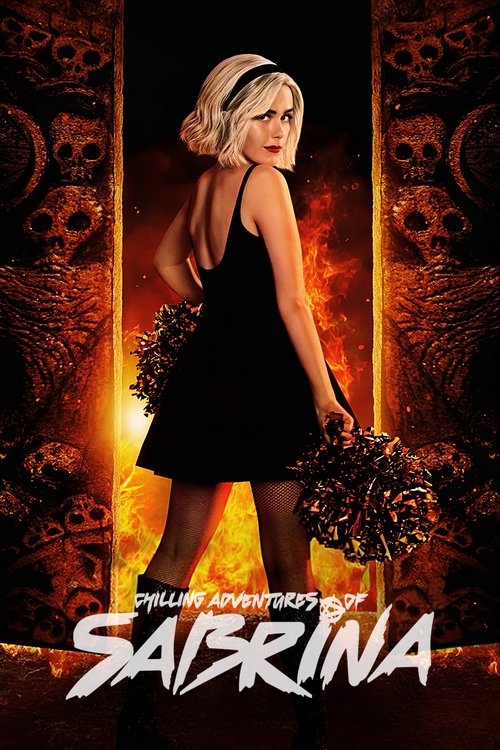
Chilling Adventures of Sabrina
Season 2 Analysis
Season Overview
No specific overview for this season.
Season Review
Categorical Breakdown
The narrative explicitly critiques the Church of Night's hierarchy based on gender, framing this as systemic oppression. Characters of color and a pansexual cousin, while present, are criticized for being underdeveloped and occasionally functioning as 'token' additions whose main purpose is to be rescued by the white protagonist.
Sabrina's journey involves actively fighting the long-established traditions and institutions of her own magical community, the Church of Night. The ancestral system of the coven is depicted as fundamentally corrupt, backward, and misogynistic, making it the central evil that must be dismantled.
The plot is entirely driven by the protagonist challenging the 'hellishly sexist' structure of the witching world. The high priest, Father Blackwood, is the main villain, defined by his misogyny and desire for male-only power. The male love interest is portrayed as a perpetually supportive 'woke boy' whose purpose is to aid the heroine's struggle for power.
A central storyline involves the character Susie, a friend of Sabrina, announcing a new male identity and requesting to be called Theo. This arc focuses on the process of a gender transition and its validation by the main characters, centering queer identity and gender ideology in the high school subplot.
The conflict rests on fighting the Dark Lord, a divine figure who rules a strict, patriarchal religion—the Church of Night. The traditional faith system is the root of oppression, demanding unquestioning obedience and offering a morality based entirely on power dynamics, aligning with the idea that traditional religion is the source of evil.