You
Season 5 Analysis
Season Overview
Joe Goldberg returns to New York City, where his journey began, seeking a "happily ever after" with his new wife, Kate, a billionaire CEO. However, their perfect life is threatened by Joe's past and his own dark desires. Joe grapples with being a member of the elite, struggling to reconcile his past actions with his desire for a good life
Season Review
Categorical Breakdown
The central theme is the critique of 'toxic masculinity' and the 'system and culture' that protect a privileged white male serial killer. The plot uses Joe as a stand-in for elite, white male corruption and incompetence. His loyal half-brother, Teddy, is a Black gay man, creating a stark contrast in the moral landscape of the elite family. The heroes who engineer his downfall form a diverse, collaborative coalition.
The season focuses on the moral corruption of the American, ultra-wealthy elite, represented by Kate's family. Kate's efforts to atone for her family's dark past and use her vast resources for 'radical good' suggest a self-critique of the wealthy institutions rather than a total demonization of Western heritage or civilization itself. The critique is aimed at modern capitalist and media culture.
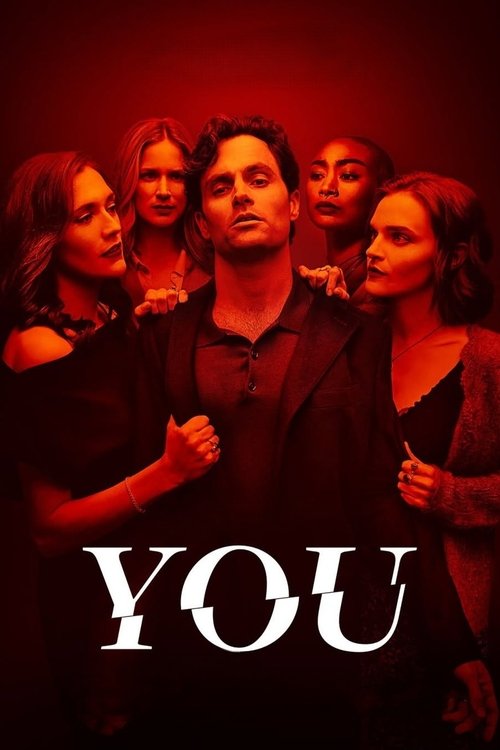
The final arc explicitly acts as a female-led revenge fantasy, culminating in Joe's capture by a woman who confronts him with the show's thesis: 'The fantasy of a man like you is how [women] cope with the reality of a man like you.' Female characters (Kate, Bronte, Marienne, and the true-crime enthusiasts) outwit and overpower the male villain. Kate, the 'Girl Boss,' wields her immense corporate power effectively, and the narrative centers on men being 'pathetic misogynists' and abusers.
The inclusion of non-traditional family structures is evident. Joe's son, Henry, spent three years with a stable gay couple (Dante and his husband) before being returned to Joe and Kate. Kate's half-brother, Teddy, is a Black gay man who is portrayed as intelligent and loyal. Alternative sexualities and family structures are normalized but do not form the main ideological focus of the plot.
The series operates in a world without transcendent morality, where Joe’s twisted, subjective quest for 'love' serves as his personal moral law. The show’s moral justice is dispensed by a secular legal system and, significantly, by pop culture/social media shaming. There is no presence of religion as a source of strength or a target of vilification; the framework relies entirely on secular moral relativism and social critique.