Elite
Season 4 Analysis
Season Overview
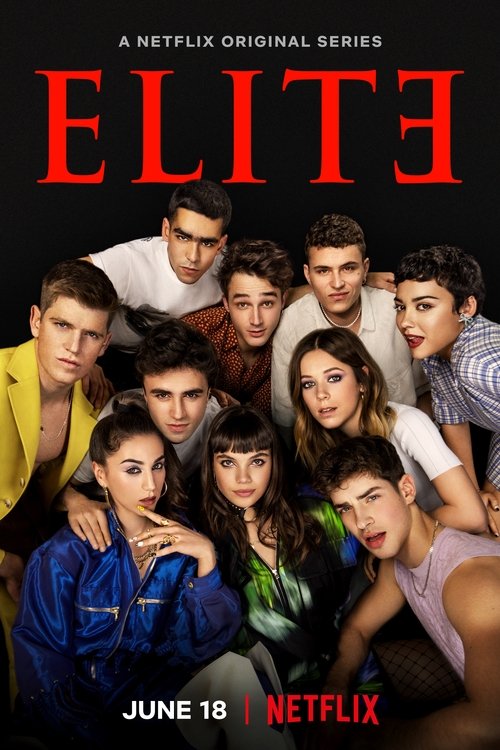
A strict principal and four new students arrive at Las Encinas, bringing an onslaught of romantic entanglements, intense rumors and a fresh mystery.
Season Review
Categorical Breakdown
The central conflict pits the working-class scholarship students against the new, super-wealthy Blanco family, who embody elite privilege. The new principal, Benjamín, uses his authority to openly threaten the academic standing of the poorer students based on their social status and family background. The wealthy characters are explicitly condemned for their condescending prejudice toward those not in their social class, making the plot a clear lecture on systemic class oppression and privilege. Characters are judged almost entirely by their class standing and associated moral behavior rather than individual merit.
The traditional institutions of authority and the elite class are framed as fundamentally corrupt and oppressive. The new principal, Benjamín, who represents a strict, traditionalist approach to education and family, is the season's main antagonistic force. A European prince, a symbol of old-world aristocracy, is introduced and his storyline is tied to themes of non-consensual behavior and the abuse of power. The show aggressively critiques the moral decay of the wealthy Spanish/European elite and their family structures.
The core female characters are highly centralized and demonstrate superior moral judgment or strength compared to the main male characters. Ari is a strong, highly sought-after female lead who controls a complex love triangle. The youngest sister, Mencía, has a narrative focused on surviving male predation, while the primary male villains (Benjamín and Armando) are older, powerful, toxic figures. Guzmán's character development regresses for the sake of the love triangle, painting him as emotionally volatile and foolish. There is a consistent theme of female independence and rebellion against the stern, patriarchal father figure.
Alternative sexualities are a dominant and unquestioned feature of the entire series. The new characters include a gay male twin, Patrick, whose main function is to aggressively destabilize an established gay relationship (Ander and Omar) to create a throuple dynamic. Another new character, Mencía, enters a central lesbian/queer relationship with Rebeka. The narrative places non-traditional sexualities and polyamory at the forefront of the drama, treating sexual identity and exploration as the most important and defining character traits and plot drivers. The show is criticized by some for gratuitously fetishizing LGBTQ+ couples.
There is no central storyline explicitly vilifying a traditional faith or its institutions, but the entire social world operates in a spiritual vacuum. Moral relativism is total, as characters engage in rampant sexual promiscuity, manipulation, and violence without any discernible transcendent moral framework to guide them. The narrative substitutes objective morality with subjective power dynamics and personal desire. A returning character, Omar, does mention losing faith in his personal life, but this is connected to his relationship struggles, not a critique of his Muslim background or organized religion itself.