The Good Doctor
Season 3 Analysis
Season Overview
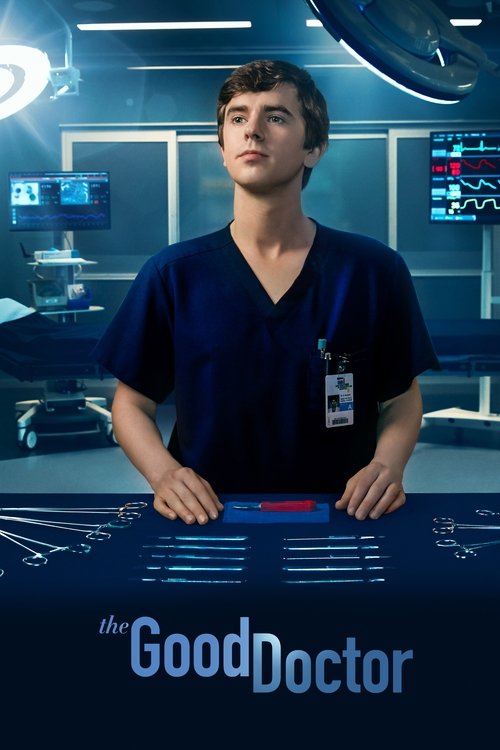
Dr. Shaun Murphy continues to use his extraordinary medical gifts at St. Bonaventure Hospital’s surgical unit. As his friendships deepen, Shaun tackles the world of dating for the first time and continues to work harder than he ever has before.
Season Review
Categorical Breakdown
The main cast is extremely diverse in race and gender, which elevates the score. The Chief of Surgery and other senior positions are filled by women and people of color. However, the narrative emphasizes meritocracy, as the main conflict for the autistic white male protagonist is proving his skill, not overcoming racial or gender oppression. Character competence and medical genius are the driving factors, not immutable characteristics.
The score is very low because the show does not depict Western civilization or its institutions as fundamentally corrupt. The hospital is a prestigious, high-functioning institution that serves as a force for good. Personal trauma, such as Shaun’s abusive father and Claire’s dysfunctional mother, are critiqued as individual failures, not as a critique of family, nation, or Western heritage itself.
Female characters consistently hold the most significant 'Girl Boss' positions; Dr. Lim is the Chief of Surgery, and Dr. Reznick is defined entirely by her uncompromising career ambition. The female leads are frequently shown to be more emotionally intelligent or professionally assertive than their male colleagues. The narrative centers fulfillment in a high-powered career while sidelining or making female characters' personal lives secondary, dysfunctional, or non-existent.
The season does not dedicate any central plotlines to centering alternative sexualities or gender ideology. The main emotional focus is on the heterosexual dating lives of Shaun, Carly, and Lea, and the relationships of other heterosexual couples. No major characters are introduced or developed using the Queer Theory lens in this specific season.
The series maintains a secular tone typical of a modern medical drama, but it does not actively vilify religion. Faith is acknowledged neutrally as a personal belief, such as when a patient refuses anesthesia due to fear of relapse impacting their sobriety. The series focuses on humanistic morality and objective medical truth but does not frame traditional religion as the root of evil.