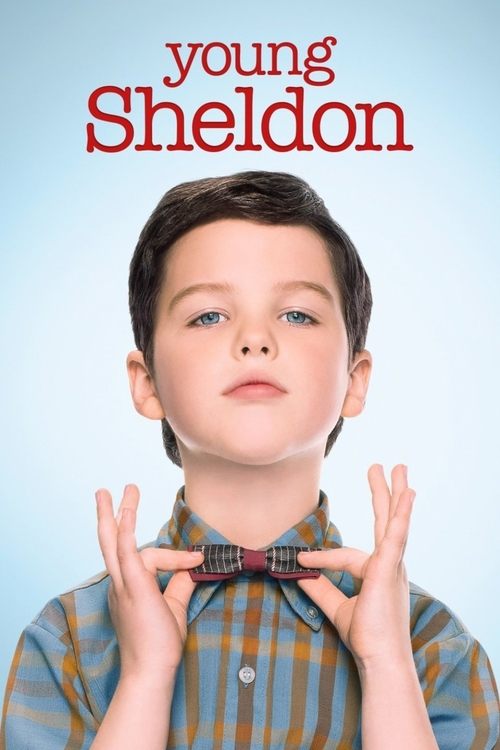
Young Sheldon
Season 1 Analysis
Season Overview
A brilliant yet awkward nine-year-old Sheldon Cooper lands in high school where his smarts leave everyone stumped in this "The Big Bang Theory" spinoff.
Season Review
Categorical Breakdown
The narrative avoids any focus on immutable characteristics like race or intersectional hierarchy. The only notable non-white character, Tam, is introduced naturally as Sheldon's social misfit friend, and his identity is defined by shared interests, not race. The central conflict is one of intellectual merit versus social norms, not systemic oppression or privilege.
The show is a period piece centered on a loving, albeit flawed, nuclear family unit in a specific regional culture (East Texas). The traditional setting of home, school, and church serves as a grounding reality for the plot. The culture is a source of gentle comedy and character trait development, but there is no vilification of Western civilization or framing of the home culture as fundamentally corrupt.
Female characters are strong and distinct. The mother, Mary, is a devout, stay-at-home parent, and her role, while stressful, is the foundation of the family. The grandmother, Meemaw, is highly independent and strong-willed. There is no 'Girl Boss' trope, nor is motherhood portrayed as a 'prison.' The dynamics are complementarian, focused on the individual character strengths and faults, not a lecture on gender roles or the emasculation of men.
Season 1 is set in 1989/1990s Texas and centers entirely on the traditional nuclear family structure. Alternative sexualities or gender ideology are not present, not centered, and are not lectured upon. The show adheres to a normative structure without commentary on the subject.
This category scores the highest due to the direct and repeated satirical targeting of Mary Cooper's Southern Baptist faith. The protagonist, Sheldon, is a science-minded atheist who actively questions and undermines religious teachings with cold logic and literalism. While Mary's faith is shown as a source of strength, it and her church are frequently the butt of the joke, framing traditional religion as culturally backward and subject to easy intellectual dismissal.