The Purge
Season 2 Analysis
Season Overview
Season 2 explores how a single Purge night affects the lives of four interconnected characters over the course of the ensuing year, all inevitably leading up to the next Purge.
Season Review
Categorical Breakdown
The plot's central conflict revolves around the wealthy and powerful NFFA government using the Purge as a tool of systemic oppression to cull the poor and minorities. The primary protagonist to expose the government's conspiracy is Esme Carmona, an analyst, and a leader of the resistance who speaks out against the system is a Black university student. The narrative consistently frames the dystopian society through the lens of class and racial disparity, depicting an entrenched elite manipulating a vulnerable populace.
The New Founding Fathers of America (NFFA) is depicted as a fundamentally corrupt totalitarian government that maintains control through a cynical, annual act of state-sanctioned violence. The entire institution of this 'new' American republic is framed as rotten to its core, using a grotesque distortion of patriotism and traditional American values to justify its atrocities. The main characters dedicate themselves to tearing down the existing societal structure, viewing the national institution as the ultimate source of chaos.
One of the central, competent, and morally superior protagonists is Esme Carmona, a female NFFA analyst who is the only character able to uncover the entire government conspiracy and lead the anti-Purge resistance. This positions her as the ultimate 'Girl Boss' figure driving the main narrative. Additionally, a world-building detail involves a marketing team promoting a 'Purge bachelorette party,' which is a flippant, anti-natalist commentary on co-opting life milestones for violence. Plot elements highlight that spouses are major purgers, which is a detail that directly undermines the nuclear family structure.
Alternative sexualities and gender dynamics are a very minor part of the overall narrative focus. A single, satirical world-building element is mentioned: a marketing group suggests commercializing the Purge with a 'scary rainbow mask' to appeal to LGBTQ+ participants. This inclusion is purely a cynical commentary on commercialization and does not center the overall plot on sexual identity or gender theory.
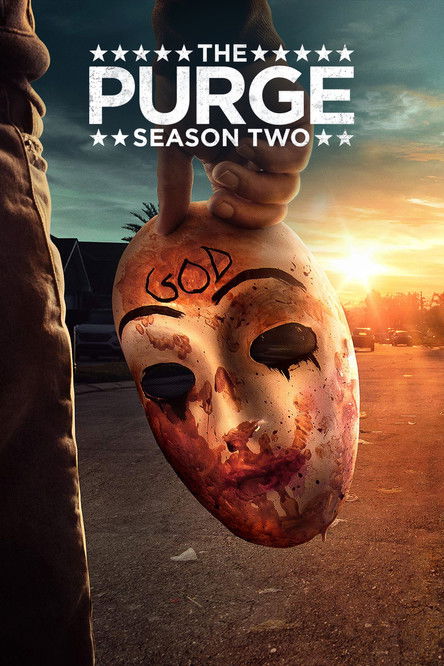
The main campus serial killer character, Ben, who descends into violence outside of the Purge, ritualistically wears a 'God mask.' This links a distorted religious symbol directly to senseless, gratuitous violence and moral decay. The NFFA's ideology is itself built upon 'sanctimonious propaganda' that co-opts religious and moralistic language to justify the annual abandonment of objective moral law in favor of state-sanctioned moral relativism.