The Purge
Season 1 Analysis
Season Overview
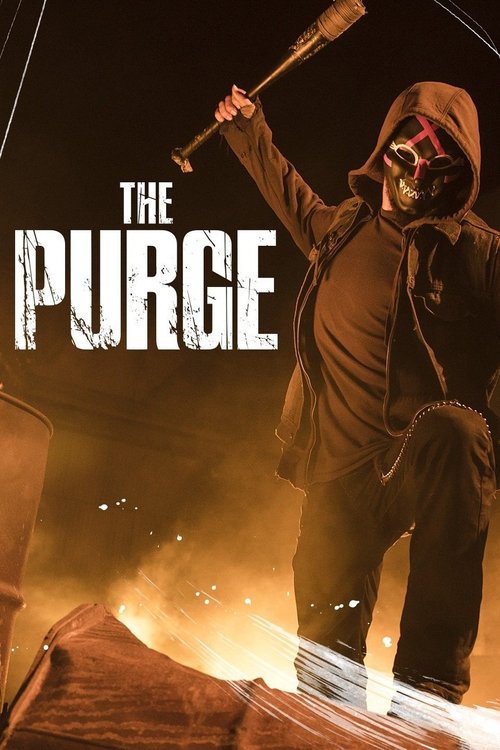
During a 12-hour period when all crime -- including murder -- is legal, a group of seemingly unrelated characters cross paths in a city in an altered America.
Season Review
Categorical Breakdown
The narrative is explicit in its critique that the Purge is a policy designed by the rich to eliminate the poor and marginalized, directly addressing systemic oppression and classism. The primary heroic figures (a Latino Marine and a Black businesswoman) are non-white, while the architects and primary beneficiaries of the system (the New Founding Fathers, the wealthy partygoers, and a sexist boss) are predominantly wealthy, white males. The plot for a lead female character is motivated by revenge against a toxic male who prevented her career advancement due to sexism.
The entire premise is an overt vilification of America's foundational principles and current institutions, which are represented by the totalitarian NFFA (New Founding Fathers of America). The show frames the Purge as a mechanism of 'Euro-centered colonialism and U.S imperialism,' presenting the home culture as fundamentally rotten and based on the systematic murder of the poor.
A major storyline focuses on a capable Black female executive who takes the ultimate violent revenge on her 'sexist boss' for thwarting her career, aligning with the 'Girl Boss' trope that prioritizes career and retribution over traditional roles. Masculinity is represented by the heroic protector figure (Miguel), but also by the villainous and toxic male power structure that the female protagonist must destroy. The complexity of the female characters and the high stakes of their revenge elevates the score.
A central relationship among the affluent social set is a married couple involved in a polyamorous/bisexual dynamic with another woman. This non-traditional pairing is a significant plot point and a key focus of one of the main storylines, centering an alternative sexual identity within the context of the elite. There is also a 'Butch Lesbian' detective character present in the periphery.
A major narrative thread centers on a 'death cult' that brainwashes and manipulates troubled young people into offering themselves as 'martyrs' for the Purge, using twisted religious rhetoric. This cult is later revealed to be a 'Scam Religion' funded by the NFFA to facilitate the killing of the poor. This strongly reinforces the idea of traditional faith being a tool of evil and oppression, and the Purge itself replaces objective moral law with state-sanctioned, subjective moral nihilism.