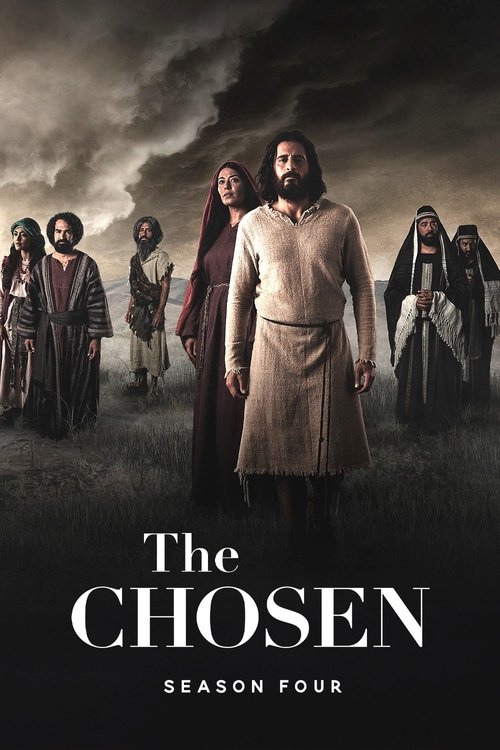
The Chosen
Season 4 Analysis
Season Overview
After preaching to a crowd of more than 5,000 people in Galilee and performing a miracle by walking on water, Jesus’ actions increasingly anger Jewish authorities.
Season Review
Categorical Breakdown
The cast reflects a diverse range of ethnicities consistent with a global production, but the script never uses race to lecture on privilege or systemic oppression. Character development is based on spiritual merit and personal choices rather than immutable characteristics.
The series shows deep respect for its historical and religious roots. It critiques institutional corruption without attacking the underlying principles of the culture or the sanctity of the faith's foundations.
Women are given prominent roles and significant agency, sometimes bordering on modern sensibilities in their dialogue and influence. However, the show avoids the 'Girl Boss' trope, keeps characters flawed, and does not devalue motherhood or masculinity.
The narrative contains no references to modern sexual identity or gender theory. It adheres to the historical and biblical context of the time, upholding the traditional family unit as the normative structure.
The show is the antithesis of anti-theism. It centers on the reality of God, the necessity of faith, and the existence of a higher moral law that transcends human power dynamics.