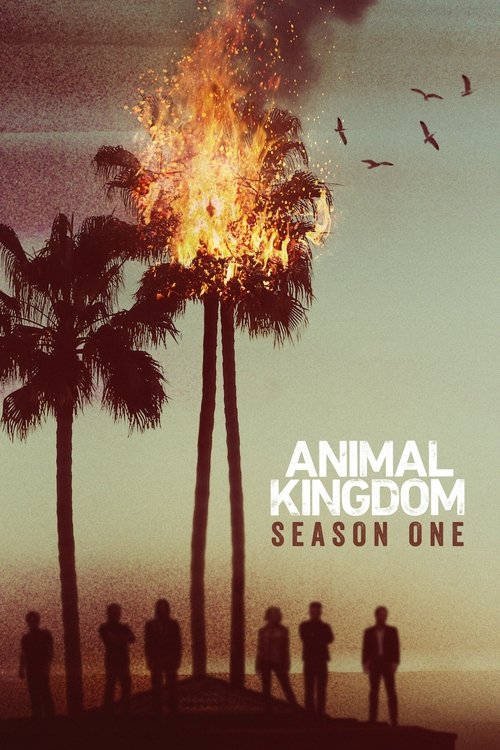
Animal Kingdom
Season 1 Analysis
Season Overview
After his mother dies of a heroin overdose, Joshua 'J' Cody moves in with his estranged grandmother, Janine ‘Smurf' Cody in Oceanside, California. He finds himself drawn into a dark world funded by criminal activities that he's been shielded from for years, as she and his uncles plan their upcoming heist. J must prove his loyalty to stay alive, all the while learning that Smurf is the intense, beguiling, and complicated matriarch, who rules over "her boys" with a borderline incestuous love.
Season Review
Categorical Breakdown
The narrative focuses on the internal dynamics of a white criminal family. Merit in this world is determined by criminal skill and loyalty to the matriarch, with no focus on intersectional hierarchy or racial lecturing.
The plot examines a specific deviant subculture rather than critiquing broader Western institutions. It focuses on the corruption of the family unit rather than demonizing national history or ancestors.
Smurf is a powerful but deeply toxic mother who uses manipulation and psychological control over her sons. The show portrays her as a predator rather than an empowered role model, and the men are physically capable but emotionally stunted by her influence.
One of the four brothers is a closeted gay man, making his sexual identity a recurring subplot. While it avoids gender theory lectures, it integrates queer narrative elements into the core family dynamic.
The series depicts a world of drug abuse, violence, and theft with no mention of faith or objective morality. Characters live in a spiritual void where personal gain is the only law.