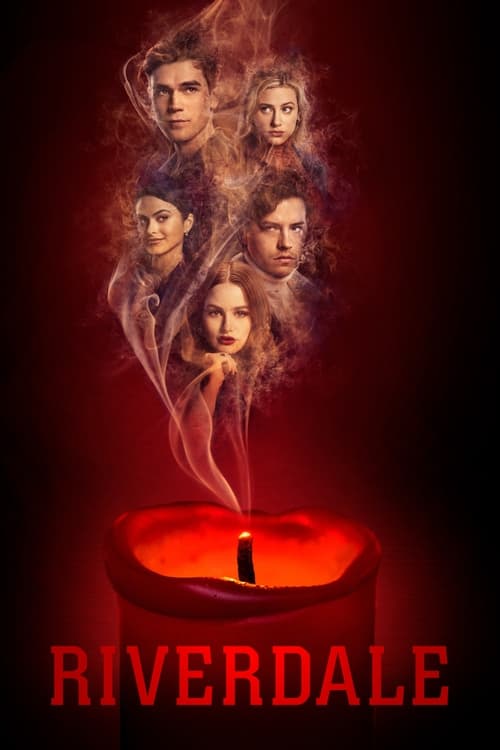
Riverdale
Season 6 Analysis
Season Overview
Picking up where season five ended, with Archie and Betty decide to give their romantic relationship another shot, just as a bomb planted by Hiram Lodge under Archie's bed was about to go off. Strangely, that bomb seemingly doesn't explode, and when Archie and Betty wake up the next morning, they're living in the town of Rivervale, their lives in Riverdale but a distant dream. It's hard to believe, but things in Rivervale are much darker and creepier than in Riverdale.
Season Review
Categorical Breakdown
The main villain, Percival Pickens, is defined as a 'soulless capitalist' whose initial act of evil is the mass eviction of unhoused people from Sketch Alley, framing the conflict as a lecture on systemic economic oppression and class warfare. The narrative continues its pattern of historical 'race-swapping' for numerous major characters and pointedly addresses the white male lead's 'privilege' in dialogue.
The plot centers on a long-standing curse enacted by a powerful character against the core white protagonists, whose ancestors were portrayed as wicked persecutors. A central heroine embraces witchcraft and explicitly advocates for a return to 'old pagan ways,' rejecting and condemning the town's inherited, traditional culture and institutions, which are otherwise depicted as corrupt and deserving of a curse.
Female leads are endowed with unique, powerful, and instantaneous superpowers like mind-reading and death-by-kiss, positioning them as the superior and most capable forces for good. The main male hero, Archie Andrews, is diminished in his role, shown as either bumbling or too passive, being scolded for only wanting to 'take the high road,' while the female characters advocate for direct, lethal force. The 'Girl Boss' trope is intensified by giving them literal magic-based supremacy.
Alternative sexual identity is a major focus, featuring the wedding of a lesbian/bisexual couple (Toni and Fangs) in a central storyline. An entire episode arc revolves around the custody dispute for a child, Baby Anthony, where it is openly discussed that the gay father is not the biological parent, actively normalizing and centering non-biological, non-traditional same-sex parenting structures within the town's core narrative.
The core plot is rooted in a battle between good and evil, but the 'good' is represented by pagan witchcraft and newly discovered superpowers, while the villain conjures plagues that are explicitly drawn from 'Biblical' tradition. Traditional religion is sidelined or replaced by the celebration of witchcraft and occultism, which is the direct source of one heroine's power and moral high ground.