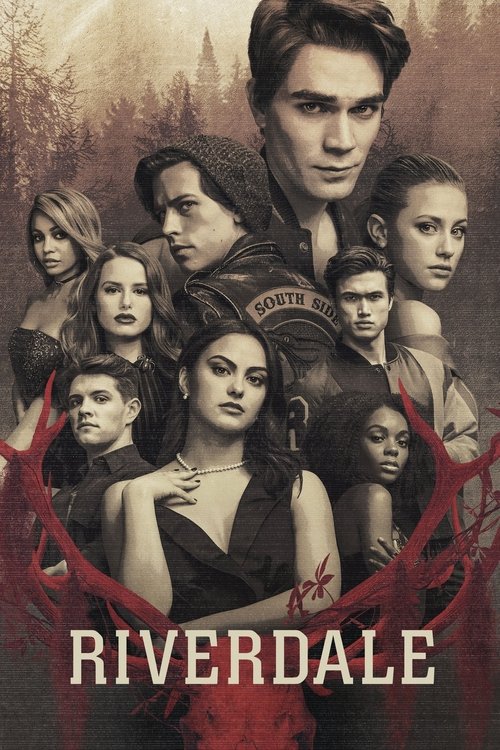
Riverdale
Season 3 Analysis
Season Overview
No specific overview for this season.
Season Review
Categorical Breakdown
The casting maintains the series' choice to deliberately select non-white actors for historically white comic characters, such as Veronica Lodge, Reggie Mantle, and Josie McCoy. The town's major criminal problems are often linked to systemic issues like class tension and the corrupt actions of wealthy, powerful figures, typically older white males like Hiram Lodge. Characters of color are placed prominently in positions of leadership in various factions and subplots, and the show is framed as a picture of inclusion.
The town of Riverdale is consistently portrayed as fundamentally poisoned, corrupt, and haunted by generational sin. A central plot element is the 'Midnight Club' flashback episode, which reveals the town's current mortal crisis, the 'Gryphons and Gargoyles' cult, originated with the parents' high school generation. The institutions—from the high school to the prison to the town government—are tools of corruption and violence, reinforcing a hostility toward the local community and its heritage. The overarching conflict is the adult generation’s failure, which the teens must fix.
The core female characters, particularly Betty and Veronica, operate as 'Girl Boss' investigators and entrepreneurs, proving themselves superior to nearly all adult and male authority figures. The male lead, Archie Andrews, spends the beginning of the season imprisoned, abused, and objectified, his storyline centering on him being physically beaten in an underground fight club or attacked by a bear. The series uses Gothic themes to construct a metaphor for 'patriarchal violence' which the female characters must resist. Commentary notes the show incorporates many 'GIRL POWER' plots while portraying boys and men as incompetent, untrustworthy, or toxic.
Alternative sexualities are normalized and central, with Cheryl Blossom and Toni Topaz forming a prominent lesbian/bisexual couple who lead a gang, the Pretty Poisons. The gay character Kevin Keller is a main part of the cast and his character arc in this season involves being brainwashed by The Farm cult. One subplot involves a character prioritizing his sexual activity, 'cruising,' despite the danger of a serial killer, framed in a way that suggests the criticism of this behavior is itself an act of bigotry against his sexuality.
Traditional religious faith is entirely absent as a positive moral anchor or source of strength. The primary antagonists are two spiritual/mystical entities: a nihilistic, pseudo-supernatural death-cult game ('Gryphons and Gargoyles') and a New Age spiritual movement ('The Farm'). These cults actively indoctrinate, abuse, and cause the death and psychological breakdown of many characters, serving as the main source of evil in the season. Morality is shown as subjective, often depending on gang allegiance or personal revenge, rather than a higher moral law.