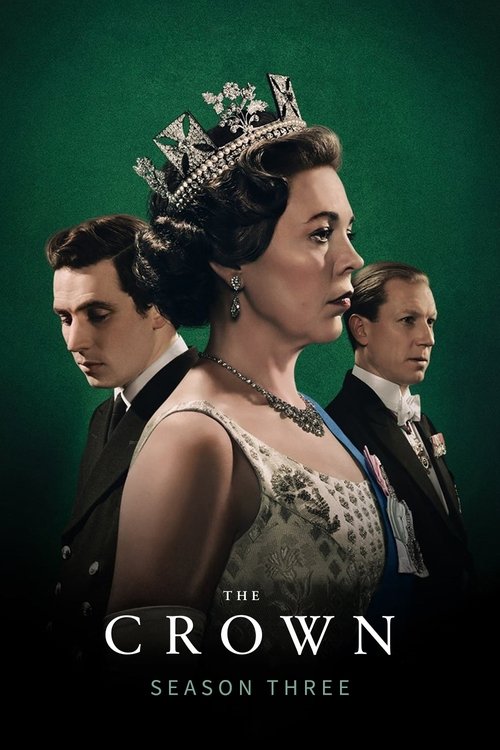
The Crown
Season 3 Analysis
Season Overview
As the 1960s and '70s unfold, the royal family contends with conflict and betrayal while striving to uphold tradition in the face of an evolving world.
Season Review
Categorical Breakdown
Casting remains historically authentic to the time period. The narrative emphasizes class struggle and the divide between the elite and the working class, particularly during the Aberfan disaster, without forced modern diversity quotas.
The British Monarchy is depicted as an icy, outdated, and psychologically damaging institution. The script frequently suggests that the family's adherence to tradition is a burden on the nation and a cause of personal misery.
The Queen and Princess Anne are portrayed as the only characters with emotional fortitude. The men, specifically Prince Philip and Prince Charles, are depicted as fragile, whining, or undergoing constant identity crises in the shadow of the women.
Sexual identity remains a minor, historically-grounded background element. There is no presence of modern gender theory or ideological lecturing regarding alternative lifestyles.
Faith is presented as a necessary and positive force for the human spirit. An entire episode is dedicated to a character finding meaning and guidance through the church after failing to find fulfillment in scientific achievements.