The Crown
Season 2 Analysis
Season Overview
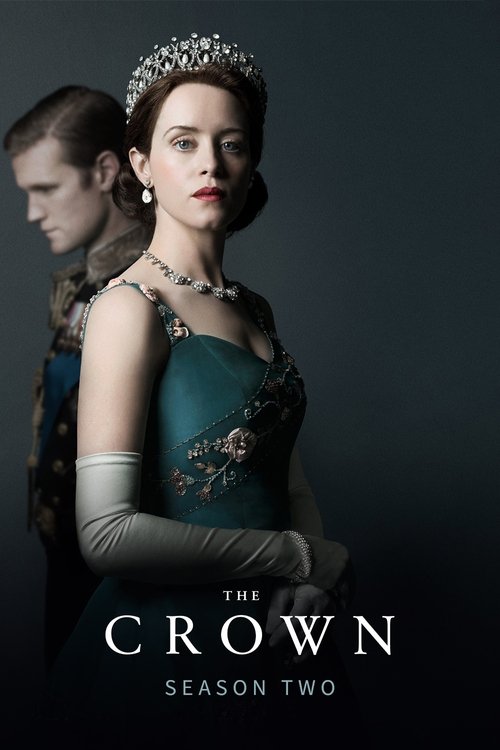
As a new era begins, Queen Elizabeth struggles to navigate a world that's changing around her while preserving both the monarchy and her marriage.
Season Review
Categorical Breakdown
The show adheres to historical casting and focuses on the British class system rather than modern racial theory. Diversity is presented through a historical lens, such as the Queen's diplomatic visit to Ghana and her interaction with Kwame Nkrumah.
The narrative frequently critiques the British Empire and the 'men in grey suits' who run the government. It depicts the Suez Crisis as a humiliating failure of British leadership and suggests the monarchy must abandon its traditional aloofness to survive.
Elizabeth is portrayed as the only stable and competent leader, often outperforming the men in her cabinet and her husband. Prince Philip is frequently shown as petulant or directionless, while the Queen manages the burdens of leadership and motherhood simultaneously.
The introduction of Lord Snowdon features depictions of sexual fluidity and bohemian polyamory. These elements are used to contrast the rigid morality of the palace with the shifting social norms of the 1960s.
The Queen’s Christian faith is depicted as a genuine source of moral guidance. The episode featuring Billy Graham treats her spiritual curiosity and the concept of forgiveness with sincerity rather than cynical mockery.