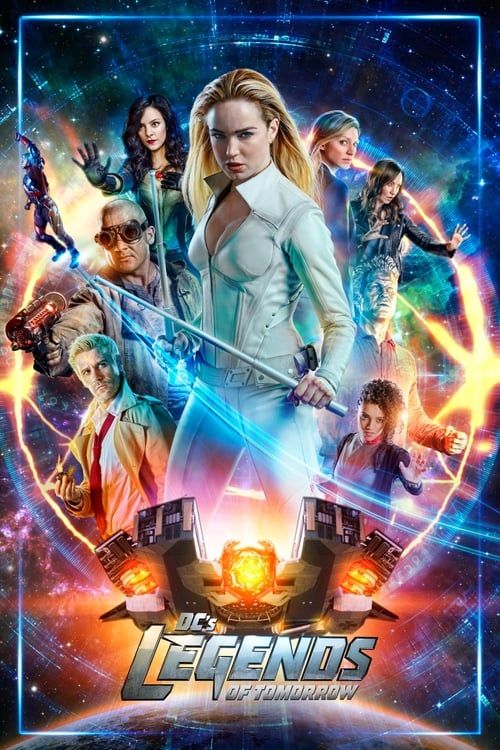
DC's Legends of Tomorrow
Season 4 Analysis
Season Overview
In season four, the Legends find themselves in unfamiliar territory with the Time Bureau. All that changes when Constantine informs Sara of a new magical threat that leads the team to Woodstock.
Season Review
Categorical Breakdown
The narrative frequently frames magical creatures as victims of human prejudice, drawing direct parallels to real-world intersectional struggles. Characters are often defined by their status as outcasts or their ethnic backgrounds, with the plot emphasizing systemic intolerance over individual merit.
Historical settings like the Salem witch trials or the 1960s are used to highlight the perceived cruelty and narrow-mindedness of Western ancestors. The 'monsters' are often depicted as spiritually more evolved or innocent compared to the human structures attempting to contain them.
Women occupy every significant leadership position, including the Captain of the ship and the Director of the Time Bureau. Male characters are primarily used for comic relief, often depicted as incompetent, sensitive, or needing constant guidance from their female counterparts.
The primary romantic arc of the season is a lesbian relationship, which is treated as the show's emotional anchor. Bisexuality is a core trait for multiple lead characters, and the show actively deconstructs traditional family dynamics in favor of 'found family' models.
Traditional religious institutions are depicted as centers of bigotry and superstition. The show replaces transcendent morality with a focus on occult magic and demonology, framing historical religious figures as antagonists who fear what they do not understand.