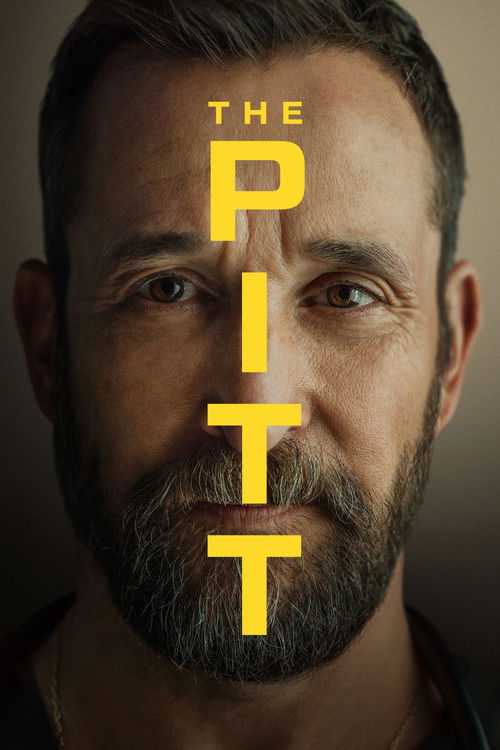
The Pitt
Season 2 Analysis
Season Overview
No specific overview for this season.
Season Review
Categorical Breakdown
The narrative is driven by an intersectional critique of American society. The season highlights systemic inequality in healthcare, focusing on the disparity of treatment for patients of color and undocumented immigrants. The series commits to the idea that the system is fundamentally 'skewed towards one population over another.' Student doctors who show a lack of empathy or professionalism are depicted as callous and ignorant, fitting a pattern of white male vilification that needs to be corrected by 'Heroic, Women, POC.'
The season consistently attacks the fundamental structures of Western civilization by framing the American healthcare system as a 'for-profit system' that is fundamentally 'untenable, unfair, and skewed.' Storylines depict patients being forced to leave mid-crisis due to insurmountable costs, a central critique that positions the home culture's institutions as corrupt. The overall tone is a political 'rebuke' to the prevailing 'regime' and its policies.
The show emphasizes the competence of its female staff, particularly women of color, by having them replace or directly clash with the veteran white male lead, who is relegated to a sabbatical. One female character focuses on expanding her personal life for fulfillment rather than living 'day after day for other people.' The narrative structure features 'Heroic, Women' who are vigilant and wise, often checking the toxic behavior of 'Ignorant Males.'
The primary ideological focus of the season is centered on issues of race, class, and institutional critique of the healthcare system. There are no prominent or recurring storylines dedicated to centering alternative sexualities, deconstructing the nuclear family, or lecturing on gender ideology, suggesting this particular lens is not a focus of the show's 'social conscience' this season.
Several scenes deliberately portray Christian and Catholic characters as 'moronic, intolerant, mean-spirited, and/or ignorant' bigots. The show's heroic, socially conscious main characters make critical jabs at these 'hidebound toxic beliefs,' positioning traditional faith as a source of social poison rather than spiritual strength.