PAW Patrol
Season 3 Analysis
Season Overview
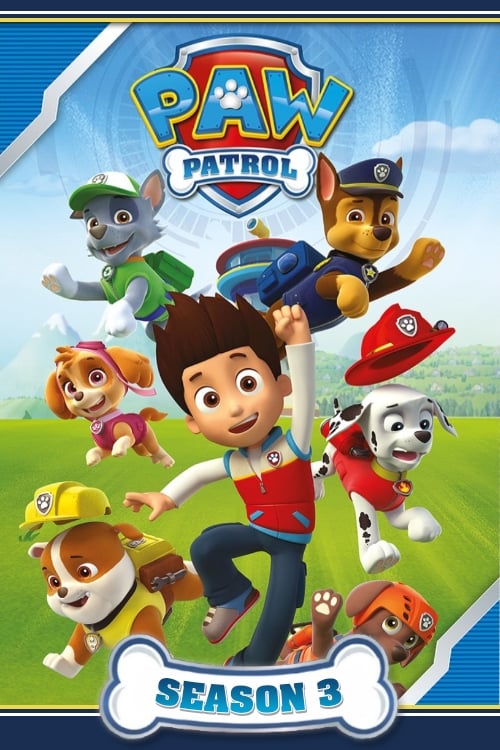
The PAW Patrol pups take their adventures to the sky with an all-new rescue vehicle, the Air Patroller, that can transport Ryder and the gang anywhere in the world. The third season also introduces new friends including Tracker, a jeep-driving pup with super hearing who lives in the jungle with Carlos.
Season Review
Categorical Breakdown
The season introduces Tracker, a pup, and his owner, Carlos, a boy from the jungle who speaks Spanish. The integration of this non-white coded human character and his bilingual pup is a clear addition of diversity but is primarily justified by Tracker's unique, merit-based skill set (super hearing) needed for jungle adventures. The plot does not lecture on privilege or systemic oppression, and no existing white-coded characters are vilified or depicted as incompetent to elevate the new character.
The central mission of the series remains the protection and service of the community of Adventure Bay. The introduction of the Air Patroller allows travel to other places, such as the jungle or Volcano Island, but these locations are treated as sites for rescue missions, not as places with superior culture or spirituality used to criticize or deconstruct the home culture. The narrative reinforces the need for an organized defense of the community.
Skye and Everest remain as competent, specialized members of the team, valued for their distinct skills (aviation and snow rescue). Male characters, including Ryder, Chase, and Marshall, are consistently portrayed as competent and heroic team members, not bumbling idiots. The gender ratio of the core team is numerically skewed toward males, which is a structural element of the early series, but there is no explicit 'Girl Boss' or anti-natalist messaging in the season's plot.
The season focuses on traditional, non-sexual bonds of friendship, teamwork, and service. The nuclear family unit is neither deconstructed nor is it a central topic of discussion. The content contains no reference to alternative sexualities, sexual identity, or gender ideology, adhering to a normative structure appropriate for a preschool audience.
The moral framework of the series is based on objective good (saving others and solving problems) and evil (Mayor Humdinger's selfish or accidental disruptions). The primary focus is on practical, real-world (or fantastical) problems and solutions. No traditional religion, specifically Christianity, is presented or criticized, and morality is not framed as a subjective power dynamic but as a transcendent imperative to help those in need.