PAW Patrol
Season 2 Analysis
Season Overview
No specific overview for this season.
Season Review
Categorical Breakdown
The narrative centers on a strict meritocracy where a character's value is solely determined by their specific skill, equipment, and professional function in the rescue team. The new character, Everest, is added based on the merit of her mountain rescue skills. There is no reliance on race or immutable human characteristics, nor any lecture on systemic oppression or privilege.
The entire structure of the series is dedicated to the constant protection and restoration of the community in Adventure Bay, directly reinforcing a sense of gratitude for the home and its civic institutions. The plot respects the need for social order and collective sacrifice to preserve the community.
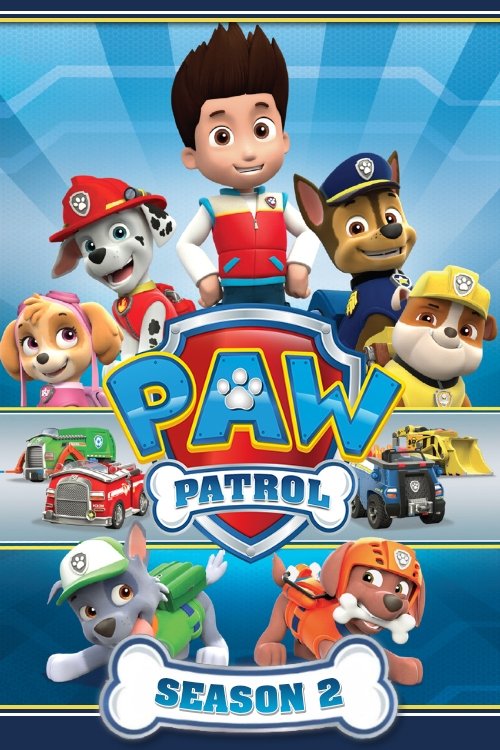
The core team's gender ratio is heavily male-dominated, which is contrary to the 'Girl Boss' ideal of perfection and dominance. The adult human female character, Mayor Goodway, is frequently depicted as incompetent or as the source of the problem, requiring rescue by the male leader, Ryder, and the pups. The female pups, Skye and Everest, are shown to be highly competent within their specific roles.
The season's episodic content is exclusively focused on non-ideological rescue and public service narratives. The show’s only acknowledgment of family structure is the traditional wedding of two adult characters, Farmer Al and Farmer Yumi. Alternative sexualities or gender ideology are absent from the narrative, maintaining a normative structure.
The morality of the program is simple, objective, and secular: helping the community is good, and selfish mischief (Mayor Humdinger) is bad. The show lacks any depiction of or hostility toward religious institutions, instead promoting a transcendent morality based on civic duty, responsibility, and teamwork.