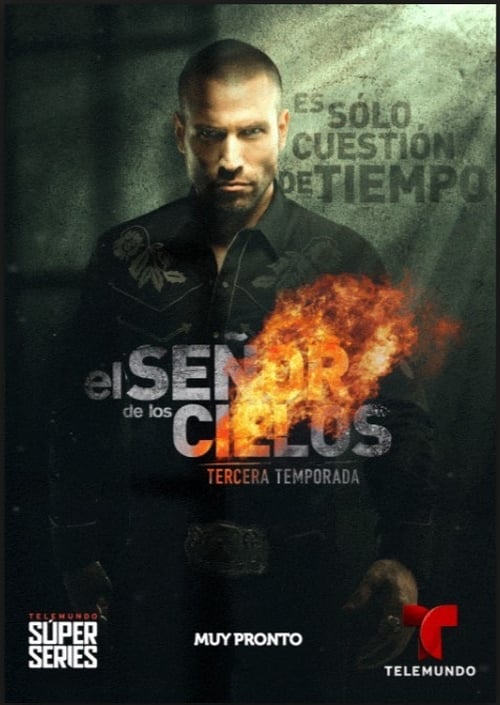
El Señor de los Cielos
Season 3 Analysis
Season Overview
No specific overview for this season.
Season Review
Categorical Breakdown
The narrative centers on criminal power, competence, and family loyalty within the world of Mexican drug trafficking. Characters are defined by their ruthlessness and ambition, which is a universal meritocracy of crime, not by racial identity or intersectional hierarchy.
The plot contains intense criticism of systemic corruption within the Mexican state (police, government) and the US agencies (DEA, CIA) operating within it. This criticism is a typical feature of the narco-drama genre and is directed at failed, corrupt systems, not at the culture or ancestors as fundamentally flawed.
Powerful female characters like Mónica Robles operate as highly capable, ruthless bosses within the cartel, achieving their status through criminal merit and autonomy. These women are formidable 'Girl Boss' figures who exist outside of traditional gender roles, but they are not presented as morally or existentially perfect. The narrative frequently centers the power of women in crime, but the male protagonist remains hyper-masculine and dominant.
The core of the dramatic tension revolves around the heterosexual family unit of the Casillas clan (Aurelio's many relationships, his daughter Rutila's choices, and other pairings). Alternative sexual identities are not centered, nor is there any narrative attempt to deconstruct the nuclear family through ideological lecturing.
The protagonist, Aurelio Casillas, is a celebrated anti-hero who is a mass murderer and drug trafficker. The entire world of the series operates on a foundation of extreme moral relativism, where power, vengeance, and survival are the only objective 'truths,' demonstrating a clear rejection of transcendent moral law.