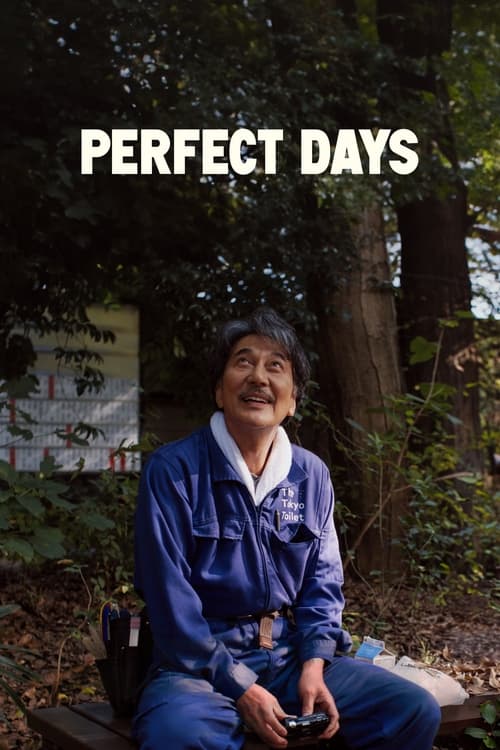
Perfect Days
Plot
Hirayama is content with his life as a toilet cleaner in Tokyo. Outside of his structured routine, he cherishes music on cassette tapes, books, and taking photos of trees. Through unexpected encounters, he reflects on finding beauty in the world.
Overall Series Review
Categorical Breakdown
The movie operates on a principle of pure meritocracy, where the protagonist, a low-paid toilet cleaner, is celebrated for the content of his soul, his dedication to craft, and his kindness to others, entirely independent of any social status or immutable characteristics. The narrative is centered on an individual's universal human journey toward peace, not a lecture on group identity or systemic oppression. The casting is authentically Japanese for a film set in Tokyo.
The film is an embrace and celebration of Japanese culture, focusing on the dignity of labor, the aesthetic appreciation of nature (komorebi), traditional arts (film photography, music on cassette tapes), and concepts rooted in Zen and Shintoism. The protagonist's chosen asceticism stands as a quiet counterpoint and implicit critique of the West's relentless consumerism and pursuit of material gain, showcasing the home culture as a source of spiritual strength and refuge.
The main focus is on the male protagonist and his personal philosophy. Female characters, such as the niece Niko and Hirayama's estranged sister, are minor roles that do not engage in 'Girl Boss' tropes. The sister is part of a wealthy, conventional life that Hirayama rejected, but her role is to highlight his past, not to frame motherhood or family structure as a 'prison.' The film avoids all gender-based political messaging, focusing instead on the universal human themes of choice and connection.
The narrative contains no centering of alternative sexualities, no deconstruction of the nuclear family as a social construct, and no focus on gender ideology. The protagonist's solitary lifestyle is a personal choice, and his brief, gentle interactions with others do not involve any form of sexual or gender identity as a thematic element. The structure is entirely normative by default.
The film is deeply spiritual, featuring clear and consistent 'subtle nods to both Buddhism and Shintoism.' The protagonist lives an almost 'monk-like' life rooted in Zen philosophy and mindfulness (sati), finding 'transcendent' beauty and spiritual peace in his daily rituals and connection to the natural world. This view promotes an objective moral and aesthetic truth—that beauty and peace are available through disciplined action and attention—directly opposing moral relativism.