The Terror
Season 2 Analysis
Season Overview
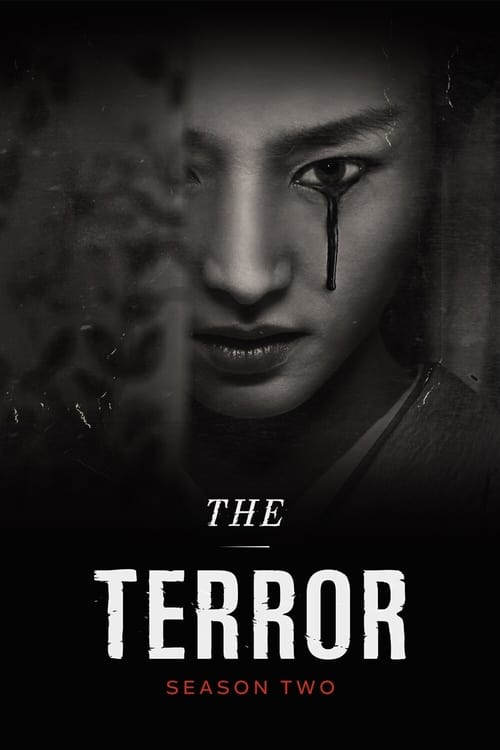
During World War II, a series of bizarre deaths haunt a Japanese-American community, and a young man attempts to understand and combat the malevolent entity responsible.
Season Review
Categorical Breakdown
The narrative is built entirely around systemic racial oppression. Character development is secondary to lecturing on historical privilege and racial hierarchy. White authority figures are consistently portrayed as bigoted, incompetent, or malicious.
The show frames American history as a series of shameful atrocities. It depicts the United States as a corrupt and racist entity, using the setting of 'American concentration camps' to foster hostility toward the nation's past.
The plot centers on female victimhood at the hands of men and the state. The primary supernatural threat is a result of male abandonment, and the male protagonist is often depicted as the source of the family's misfortune.
The story features standard heterosexual relationships and a traditional family unit. No significant plot points or characters are used to promote gender ideology or alternative sexualities.
Christian faith is presented as a repressive force that causes personal shame and family division. The narrative favors mystical folklore over traditional religious structures, which are treated as antiquated or harmful.