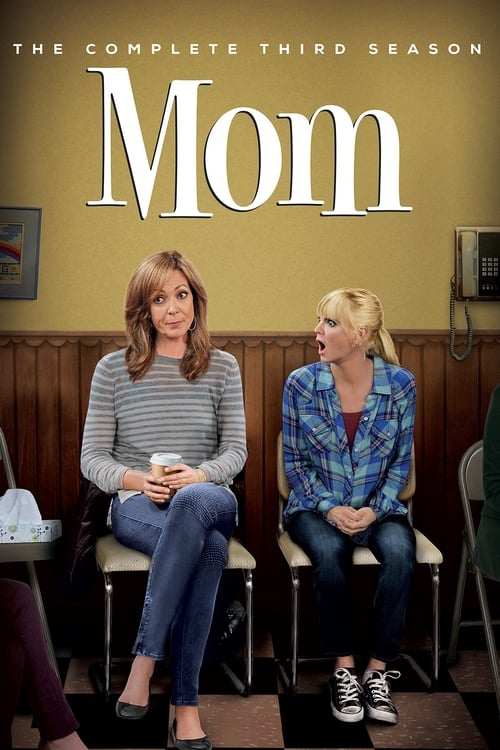
Mom
Season 3 Analysis
Season Overview
No specific overview for this season.
Season Review
Categorical Breakdown
The narrative focuses on individual merit and the consequences of personal choices. Characters are not defined by race or systemic privilege, and casting remains natural without forced diversity lectures.
The show finds value in local community and support systems. It highlights the struggles within American society without framing the culture or its foundations as fundamentally evil.
Female characters are the focus, but they are portrayed as messy and fallible rather than perfect. While some men are depicted as immature, others provide stable and protective roles.
Heterosexual relationships and the rebuilding of the nuclear family are the central themes. There is no focus on gender theory or the centering of alternative sexualities in this season.
The plot emphasizes spiritual growth and the necessity of a Higher Power for moral recovery. It sidesteps organized religion but upholds the existence of objective moral truths.