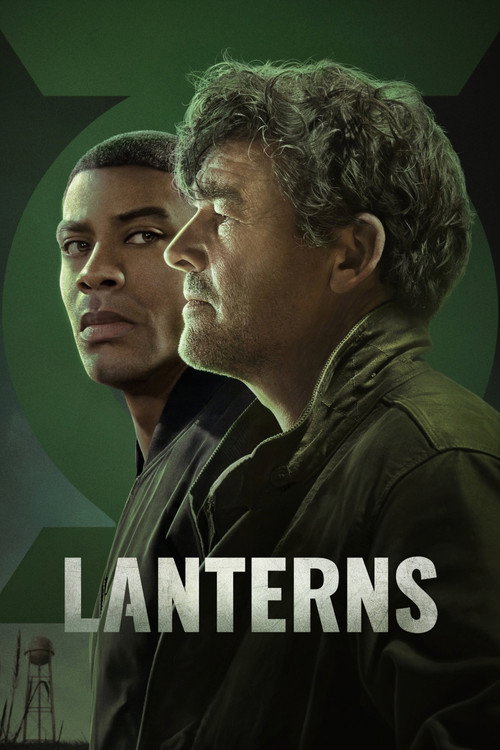
Lanterns
Season 1 Analysis
Season Overview
No specific overview for this season.
Season Review
Categorical Breakdown
The narrative intentionally frames the dynamic between John Stewart and Hal Jordan through modern racial dynamics and privilege. The script frequently inserts overt conversations regarding race, outsider status, and systemic prejudice into the investigation, making identity a primary lens through which characters interact.
The rural Midwest is depicted as an insular, morally rotting environment filled with hostile locals, corrupt family dynasties, and distrust of outsiders. American institutions, from local law enforcement to military legacy, are portrayed as compromised or deeply flawed.
Female characters like Sheriff Kerry and Zoe are portrayed as tough, hyper-competent authority figures who frequently outmaneuver their male peers. While the series avoids overt girl-boss satire and retains protective, physically capable traits in John Stewart, it sidelines traditional domestic and maternal ideals in favor of cynicism.
The narrative largely focuses on military discipline, generational trauma between fathers and sons, and neo-noir murder investigation tropes. Queer theory and gender identity politics remain absent from the primary storyline.
Traditional Christian faith is largely nonexistent in the heartland setting, replaced by a spiritual vacuum and moral cynicism. Cosmic overseers like the Guardians of the Universe are depicted as cold, manipulative bureaucrats rather than sources of higher moral truth.