Orange Is the New Black
Season 5 Analysis
Season Overview
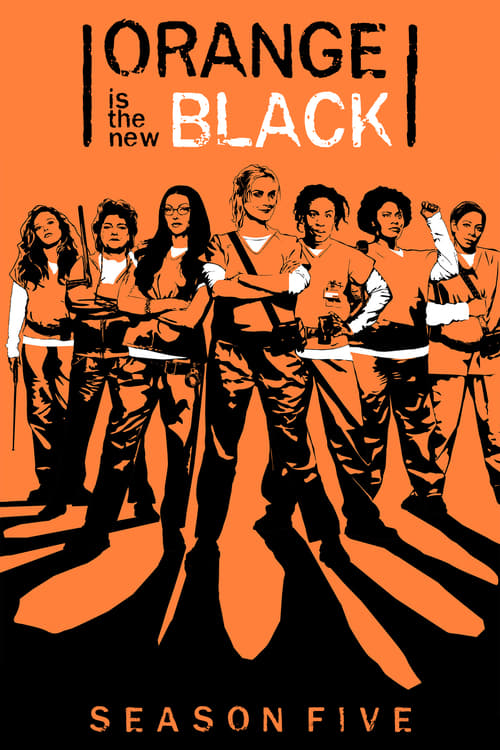
The power dynamics at Litchfield shift dramatically as the inmates react to a tragedy in an explosive new season.
Season Review
Categorical Breakdown
The plot is entirely driven by the pursuit of justice for the killing of a Black inmate by a white correctional officer, explicitly framing the event as a reflection of real-world systemic oppression and the Black Lives Matter movement. The central, unified leadership of the riot is immediately assumed by the Black and Latina factions, while the white male authorities (guards/system) are consistently portrayed as toxic, incompetent, or institutionally protected from accountability. The narrative is structured to lecture on the intersectional hierarchy of privilege and marginalization.
The entire season celebrates the overthrow of a fundamental Western institution, the American private prison system, by framing it as corrupt, racist, and failing at its core mandate. The inmates' self-governance during the riot is portrayed as creating a momentary 'utopic' space, suggesting a morally and organizationally superior alternative to the established home culture. The show positions itself as a 'resistance against our country's current political morass,' framing the institution itself as the source of evil.
The season is a depiction of collective female power and resistance, celebrating a 'sisterhood' that successfully disarms and humiliates the male authority figures (the guards) who are shown to be bumbling, cruel, or ineffectual. The inmates take charge to form a government, highlighting a narrative belief that things would be better 'if women were in charge.' The plot emasculates the captive male staff by forcing them into humiliating acts, while the women's collective action is consistently portrayed as focused, effective, and morally righteous.
Alternative sexual and gender identities are not only present but are a core aspect of the community being centered and celebrated as superior to the 'normative' outside world. Major plot points involve key lesbian characters in a long-standing, central relationship getting engaged during the riot. Transgender and lesbian characters are integral members of the inner circle of leadership and resistance, making sexual identity an explicit and defining trait of the narrative's heroes.
The moral framework of the season rejects any concept of transcendent moral law or objective truth, instead grounding morality entirely in sociopolitical power dynamics. Justice is a political demand for accountability from an oppressive system, which aligns with the view that morality is subjective and defined by who has power over whom. Traditional faith is not a source of strength for the season's heroes, and the moral crisis is treated as a material failing of human institutions.