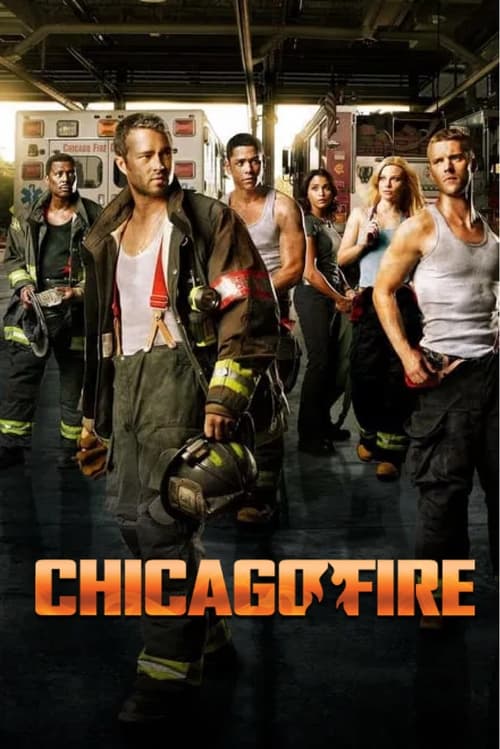
Chicago Fire
Season 1 Analysis
Season Overview
Meet the firefighters and paramedics of Firehouse 51 as they face the intense demands of the job while dealing with personal losses, rivalries, and the weight of life-or-death decisions. Brotherhood and loyalty are forged in fire.
Season Review
Categorical Breakdown
Characters are judged by their competence and character, not by a hierarchy of immutable characteristics, adhering to a universal meritocracy. The cast includes a Latina paramedic, a Black Battalion Chief, and a Black/Native American candidate, but their race is present without the plot existing to lecture on privilege or systemic oppression. The main conflicts are about professional rivalry, political corruption, and personal drama.
The show is built around celebrating the self-sacrifice and heroism of a core Western institution, the Chicago Fire Department. The firehouse is depicted as a 'brotherhood' and a functional extended family that acts as a shield against the chaos of the city. Though there are storylines about corruption within the police department and management, the narrative does not frame the home culture or its ancestors as fundamentally corrupt or racist, maintaining a deep sense of gratitude for the institution.
The paramedics, Gabriela Dawson and Leslie Shay, are strong, assertive, and competent professionals who are essential to the team, but they are not presented as 'Mary Sue' figures who instantly outshine every male. The female characters' storylines are heavily focused on their relationships with men and each other, which detracts from a high 'Girl Boss' score. One plot features a woman making a false sexual harassment accusation against a male lieutenant, which complicates the gender dynamic and prevents an extremely high feminist score. The decision by Shay to try to have a baby is a direct counter to anti-natalism.
One of the main characters, Leslie Shay, is openly lesbian. Her relationships are a regular part of her storyline, including a plot where she considers co-parenting with her pregnant ex-girlfriend and her ex-girlfriend's husband. This centers an alternative family structure. However, the show does not engage in gender ideology or deconstruct biological reality, and the character's sexuality is generally treated as a normal part of her life without heavy-handed political lecturing, which keeps the score in the middle range.
The series explicitly includes a fire department chaplain who is a source of wisdom and moral guidance. One episode, titled 'God Has Spoken,' features an extensive church scene and a sermon that delivers a clear Christian message, emphasizing faith, love, and objective moral truth. Faith is portrayed as a source of strength that helps a character deal with guilt, which directly counters anti-theistic themes.