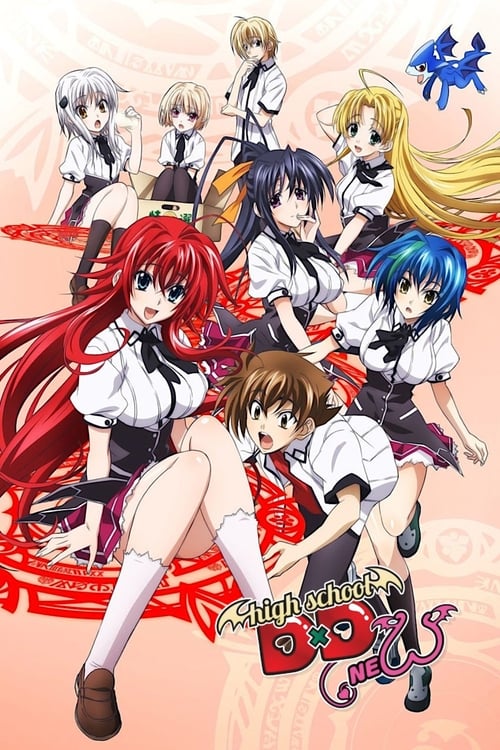
High School D×D
Season 2 Analysis
Season Overview
The devilish Harem King is back for more outrageous Oppai Battle Entertainment in the scintillating second season of High School DxD! Fans who like their hardcore action spiked with a double dose of fan service won’t be able to pry their eyes off all the scorching supernatural schoolgirls waiting for them in Season Two. So what are you waiting for? Plant yourself in front of the boob tube and watch a harem of devil hotties show you how much fun it is to be bad!
Season Review
Categorical Breakdown
Characters earn their standing through combat merit and the strength of their souls. The narrative focuses on individual growth and loyalty rather than group identity or systemic grievances.
The narrative shows no hostility toward civilization or cultural heritage. It functions as a pure escapist fantasy without any underlying civilizational self-hatred or demonization of ancestors.
Female characters are powerful but maintain traditional feminine appeal and devotion to the male protagonist. The male lead is celebrated for his masculine drives and his role as a protector.
The narrative is firmly rooted in heterosexual attraction and traditional harem tropes. While one character cross-dresses, it is treated as a character quirk rather than a lecture on gender ideology.
Religion is used as a fantasy backdrop rather than a target for political subversion. While the plot involves supernatural conflict and a reimagined mythology, it avoids lecturing the audience on the evils of faith.