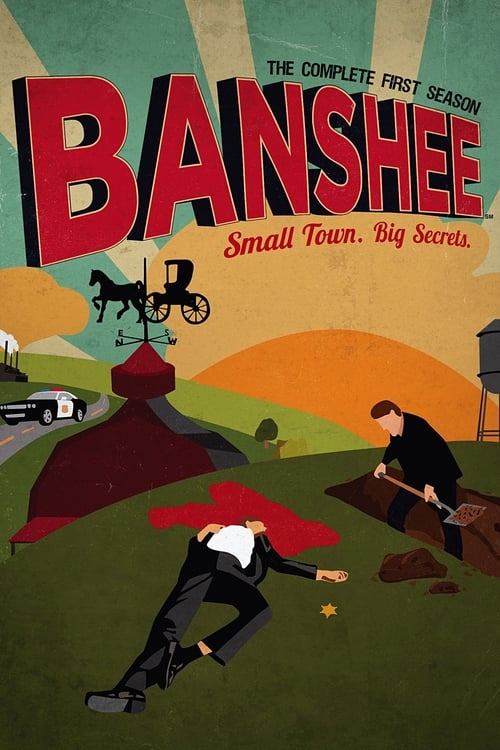
Banshee
Season 1 Analysis
Season Overview
No specific overview for this season.
Season Review
Categorical Breakdown
The story focuses on individual merit and criminal capability. Diversity in the cast serves the gritty setting of a lawless town rather than an intersectional agenda. The white male lead is a competent, dominant force who is never vilified for his background.
The narrative centers on small-town corruption and personal revenge without framing Western civilization as fundamentally evil. It respects the 'frontier justice' archetype and focuses on the flaws of individual humans rather than condemning the culture or its ancestors.
Female characters are physically capable and tough, but they are grounded by family motivations and realistic vulnerabilities. The show avoids the 'Mary Sue' trope by ensuring women face consequences and do not magically overpower men. Traditional masculine protection remains a central theme.
A prominent supporting character is a gender-non-conforming hacker. While this introduces non-normative elements, the show avoids lecturing on gender theory or sexual identity. The character is defined by professional skills and a sharp tongue rather than a political mission to deconstruct the family.
The plot explores the tension between a rigid Amish community and the criminal underworld. While it depicts the religious community as repressive and features an apostate villain, it focuses more on the drama of hypocrisy and personal choices than a systemic attack on faith itself.