Once Upon a Time
Season 7 Analysis
Season Overview
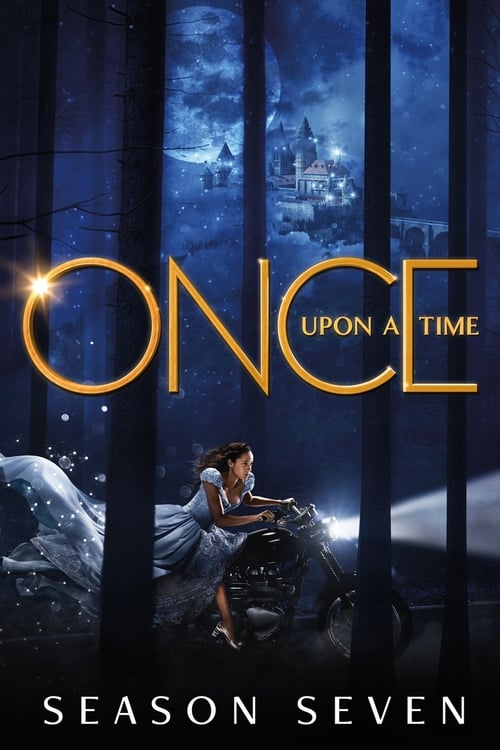
After six seasons, the residents of the enchanted forest face their greatest challenge yet as The Evil Queen, Captain Hook and Rumplestiltskin join forces with a grown-up Henry Mills and his daughter Lucy on an epic quest to once again bring hope to their world and ours. Along the way, new fairy tale characters and old search for true love, find adventure and once again take sides in the struggle of good against evil, as classic tales are once more twisted and reimagined.
Season Review
Categorical Breakdown
The season intentionally race-swaps iconic characters like Cinderella and Rapunzel to create a diverse ensemble. The plot focuses on marginalized individuals struggling against a corporate, gentrifying force in an urban environment.
The modern city setting is depicted as a soul-crushing machine that suppresses the 'magic' of the old world. Corporate development and modern legal systems are framed as the primary tools of the villains to keep people separated.
Female characters drive almost every plot point, often acting as solo providers or leaders. Cinderella is reimagined as a gritty survivor rather than a traditional princess, and the narrative emphasizes female independence from male protection.
The storyline heavily centers on a lesbian romance between Alice and Robin, framing their relationship as the pinnacle of 'True Love.' This plotline is treated as a central pillar of the season's resolution and moral core.
The show continues to rely on a system of moral relativism where the 'Evil Queen' is a redeemed hero. There is no objective higher power or religious framework, only the subjective power of 'belief' in oneself and magic.