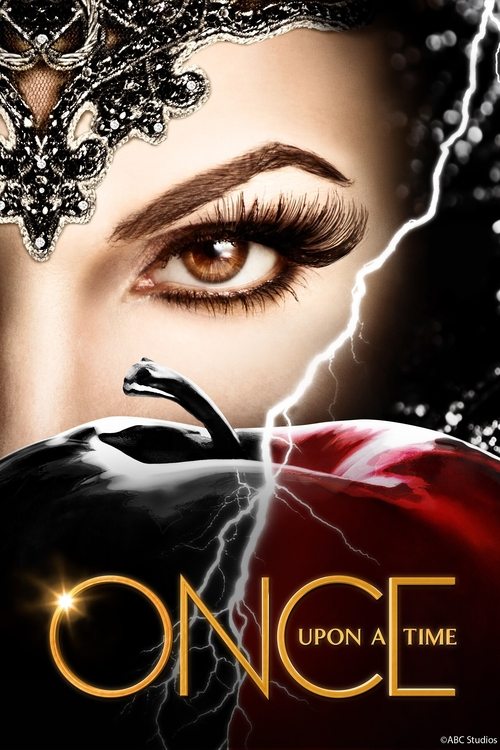
Once Upon a Time
Season 6 Analysis
Season Overview
No specific overview for this season.
Season Review
Categorical Breakdown
Characters are judged by their personal choices and moral growth rather than their race. Diverse casting for characters like Aladdin and Jasmine aligns with their literary origins and avoids political lectures on privilege or systemic oppression.
The show honors Western cultural heritage by celebrating classic fairy tales and folklore. The characters fight to preserve their community of Storybrooke and respect the legacy of their ancestors and their past stories.
The series features prominent female leads who are powerful yet emotionally vulnerable. Men are depicted as capable partners and protectors, and the season highlights the value of marriage and the continuity of the family line.
The plot focuses almost exclusively on traditional romantic pairings and reinforces the nuclear family as the standard. There is no presence of gender ideology or lecturing on alternative sexualities within this season's primary arcs.
The narrative treats faith as a virtuous and necessary force for the characters to overcome evil. Morality is framed as an objective battle between light and darkness, with a clear emphasis on redemption and spiritual sacrifice.