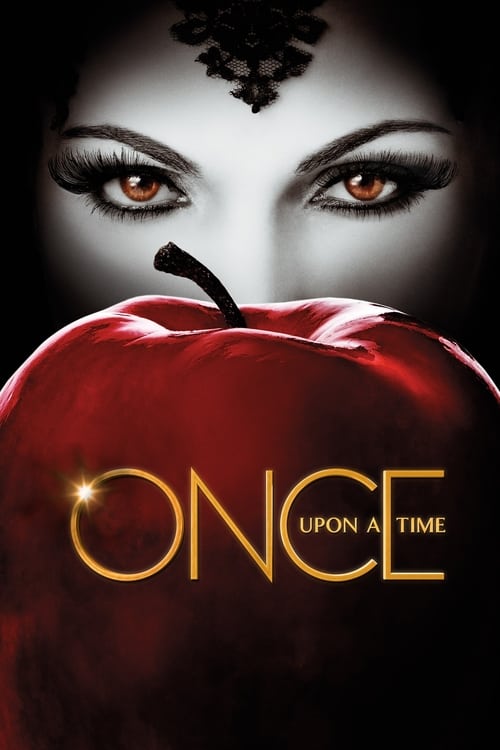
Once Upon a Time
Season 3 Analysis
Season Overview
The third season revolves around the main characters travelling from Storybrooke to Neverland to retrieve Henry Mills, featuring crossover episodes connecting with the spin-off Once Upon a Time in Wonderland.
Season Review
Categorical Breakdown
Characters are judged solely by their actions and the quality of their hearts. The narrative avoids racial commentary and maintains a cast consistent with the European folklore it draws from without forced diversity or lectures on privilege.
The show celebrates the heritage of Western fairy tales and mythology. It treats these cultural stories as essential pillars of hope and identity rather than systems of oppression to be dismantled.
Female characters possess the vast majority of the magical power and agency. Men like Prince Charming and Captain Hook often serve as emotional support or secondary players. However, the show avoids being anti-natalist by making motherhood and the protection of children the primary motivator for its heroines.
Heterosexual pairings like Snow White and Prince Charming remain the narrative standard. A brief, subtle hint of unrequited same-sex attraction exists for one supporting character, but it is not used to deconstruct the nuclear family or push gender theory.
The series operates on a foundation of objective morality where 'Magic Always Comes with a Price.' It upholds traditional values like self-sacrifice, redemption, and the existence of a higher moral law, avoiding the trap of moral relativism.