Person of Interest
Season 5 Analysis
Season Overview
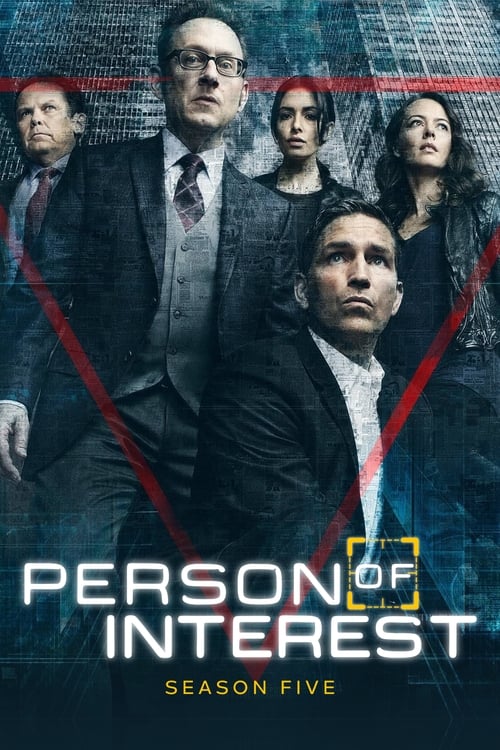
For years, the Person of Interest team have been protected by The Machine, but as worlds collided and a rival AI known as Samaritan finally cornered The Machine inside the nation’s power grid, it was the POI team’s turn to protect Finch’s creation. In season five, the cold war is over. The world around us might look the same, but something has drastically changed. Samaritan’s lethal “correction” has initiated its control. Finch’s Machine is essentially dead. Shaw is still missing. And the team is once again hiding in plain sight. But with Samaritan’s invisible grip tightening everywhere, will Finch be able to rebuild and resurrect The Machine? And if he does, will it be the same Machine when it comes back online?
Season Review
Categorical Breakdown
Characters are defined by their choices and technical expertise rather than their race or background. The team consists of diverse individuals who work together based on mutual respect and shared goals without any focus on systemic privilege or racial grievances.
The story centers on protecting citizens from a cold, calculating globalist AI. It values individual liberty and the preservation of human life against a technocratic tyranny. The protagonists act as a shield for the community and respect the weight of their past actions.
Female characters like Root and Shaw are depicted as elite combatants and tech geniuses. They are highly independent and often lead the action. While they are exceptionally capable, the male leads remain competent and essential, avoiding the trope of the bumbling man. Motherhood and traditional family roles are largely absent from the narrative focus.
The relationship between Root and Shaw is a major emotional driver in the final season. Their romantic bond is treated as a central plot point and a primary motivation for their sacrifices. This centers a non-traditional pairing as the emotional heart of the team's dynamics.
The show replaces traditional religious structures with technological ones. Characters refer to the AI entities as gods and act as their prophets or acolytes. It presents a world where moral guidance comes from a digital creator rather than a transcendent spiritual authority.