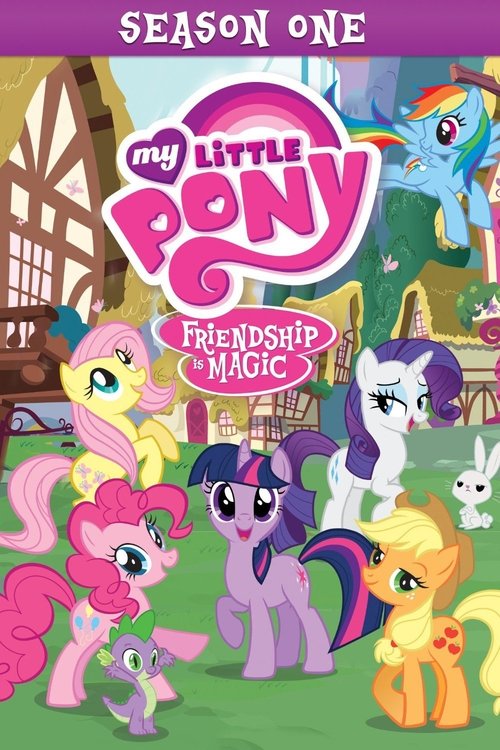
My Little Pony: Friendship Is Magic
Season 1 Analysis
Season Overview
Shy unicorn Twilight Sparkle and her five pony pals have adventures that teach them about the most powerful magic of all: the magic of friendship.
Season Review
Categorical Breakdown
Ponies are judged solely by the 'content of their soul' and their specific virtues. The different pony types coexist in a merit-based society where individual talent and hard work are the primary drivers of success.
The characters exhibit profound gratitude for their home, Ponyville, and the wider kingdom of Equestria. They actively participate in ancestral traditions and show unwavering respect for their history and governing institutions.
While the leads are female, they are not 'Girl Boss' archetypes; they are frequently wrong, require help from others, and possess distinct, often traditional feminine interests. Masculine characters are depicted as strong, reliable, and necessary members of the community.
The season adheres to a normative social structure. Relationships and family units are portrayed through a traditional lens, and there is no mention of gender ideology or sexual identity politics.
The show operates on a foundation of objective truth and transcendent morality. The 'Elements of Harmony' function as a higher moral law, and Princess Celestia is treated as a source of wisdom and near-providential guidance.