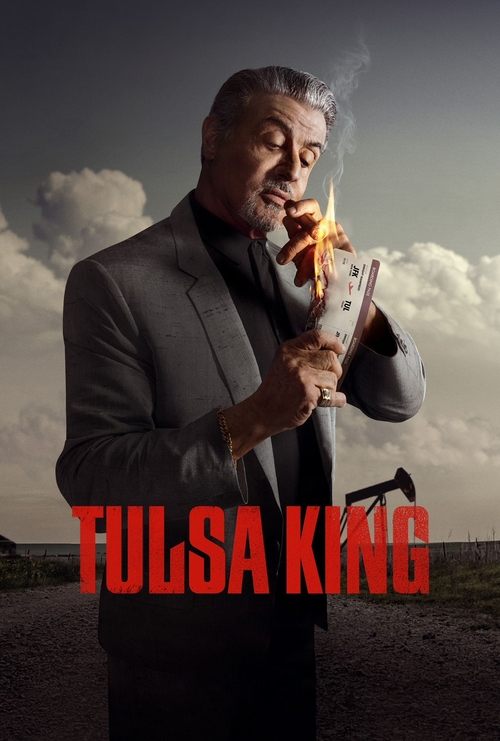
Tulsa King
Season 1 Analysis
Season Overview
Dwight "The General" Manfredi is the American Mafia capo from New York City who has just finished serving a 25-year prison sentence. Upon release, Dwight's boss sends him to Tulsa, Oklahoma, to establish criminal operations there.
Season Review
Categorical Breakdown
The protagonist explicitly mocks modern pronoun culture and sensitivity training in the pilot episode. Diversity in the crew is based on loyalty and business necessity rather than intersectional quotas. White male characters are depicted as capable leaders and mentors rather than being vilified for their identity.
The show treats the American heartland and the concept of building something from nothing with respect. It values traditional codes of honor and the importance of protecting one's territory and family. There is no attempt to frame American history or Western values as fundamentally oppressive.
Female characters like Stacy and Tina are written with realistic flaws and vulnerabilities rather than being invincible 'Girl Bosses.' The show centers on a traditional masculine hierarchy where men take on the roles of protectors and providers. Masculinity is portrayed as a source of strength and order.
The narrative follows normative structures and ignores queer theory or gender ideology. Sexual identity is not a focal point of the plot, and the show dismisses modern gender politics as a confusing byproduct of the time Dwight spent in prison.
While not a religious show, it avoids hostility toward faith. Characters operate under a strict moral code of honor and 'the rules.' Religion is not used as a vehicle for villainy, and the story focuses on objective concepts of right and wrong within a criminal framework.