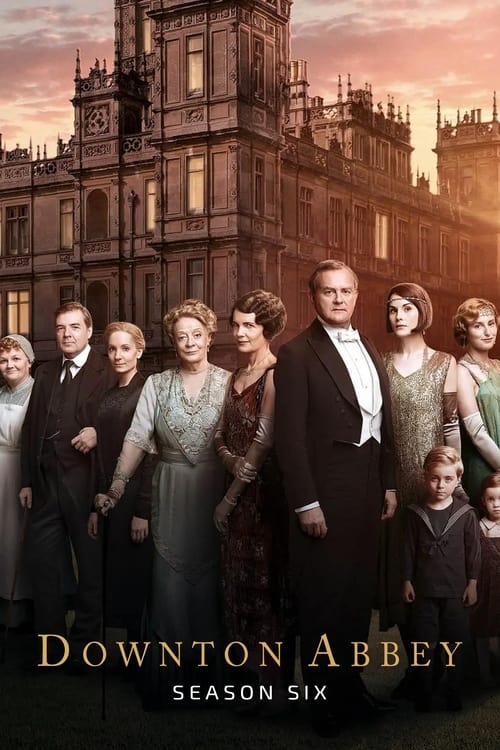
Downton Abbey
Season 6 Analysis
Season Overview
Our time with the Crawleys draws to a close and we see what will finally become of them all. Secrets and rifts threaten the unity of the family, while those below stairs continue to navigate social changes which put their futures in jeopardy. Will Mary choose the right path? Will her sister Edith finally get a break?! Will Carson and Mrs Hughes actually make it up the aisle? And will Anna and Bates overcome the many hurdles that have been set before them?
Season Review
Categorical Breakdown
The show maintains historical authenticity with a predominantly white cast. Characters are judged by their loyalty, work ethic, and class standing rather than modern intersectional categories.
The narrative treats the British estate system and aristocratic traditions with nostalgia and respect. The preservation of the home and ancestral legacy is the central motivation for the lead characters.
Mary and Edith take on significant leadership roles in business and estate management. While they demonstrate high levels of independence, the story concludes with both women finding fulfillment in traditional marriage and family life.
A significant subplot follows the emotional struggles of a gay character facing social isolation. The narrative focuses on his personal desire for belonging within a historical context without introducing modern gender theory.
Christianity is depicted as a standard part of British life. Church services and clerical figures are treated as sources of community stability and traditional moral guidance.