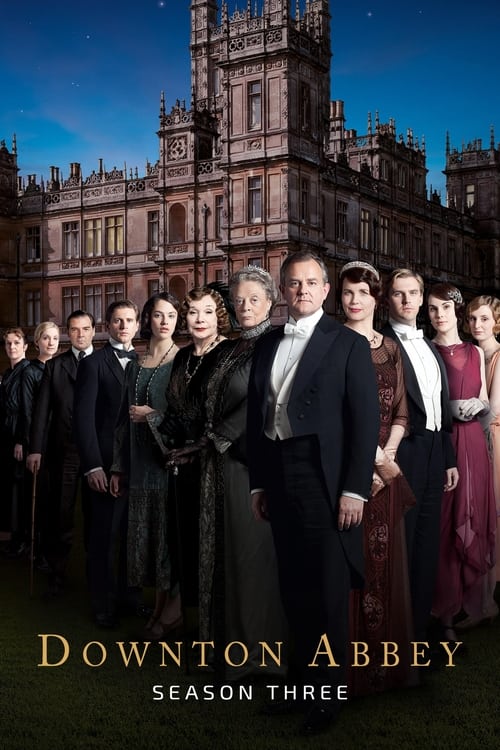
Downton Abbey
Season 3 Analysis
Season Overview
The Great War is over and a long-awaited engagement is on, but all is not tranquil at Downton Abbey as wrenching social changes, romantic intrigues, and personal crises grip the majestic English country estate. As other great houses are crippled psychologically and financially in the wake of World War I, Robert, Earl of Grantham, sticks to his duty to maintain Downton more firmly than ever. But in this changing landscape nothing is assured, and could it be that even the war-weary Crawleys must fight a new battle to safeguard their beloved Downton?
Season Review
Categorical Breakdown
Characters are defined by their class, merit, and personal integrity rather than modern racial or intersectional categories. The cast remains historically authentic to the early 20th-century setting.
The narrative centers on the preservation of the English estate and the importance of ancestral duty. The family and servants alike view their heritage and the institution of the home as essential to social stability.
Female characters seek personal agency but remain grounded in family duty and the survival of the estate. Motherhood is celebrated as a central plot point, and the men are portrayed as protective figures rather than bumbling idiots.
A gay character's private struggle with the era's legal constraints is depicted with sympathy. However, the storyline does not seek to deconstruct the nuclear family or push modern gender theory.
Traditional religious ceremonies and Christian milestones provide the framework for the family's lives. Faith is treated as a natural and respected component of the social fabric and moral order.