Downton Abbey
Season 1 Analysis
Season Overview
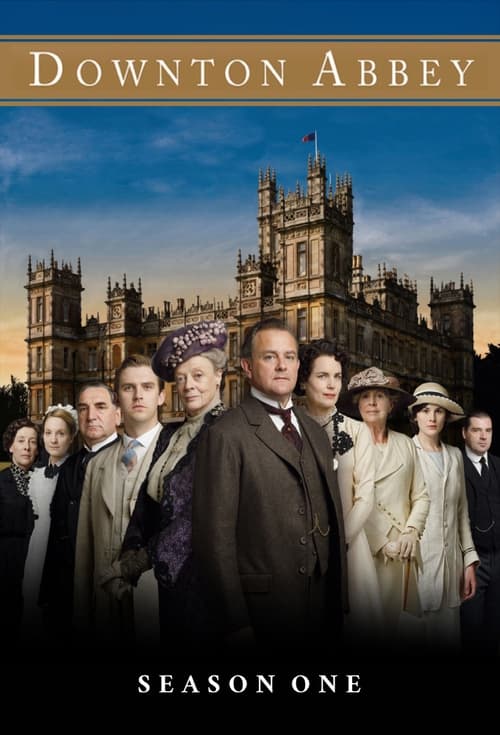
Lord Robert Crawley and his family live a life of leisure, while a fleet of servants, including butler Carson, attend to their every need. But two events conspire to shake things up: the sinking of the Titanic, which claims Crawley's heirs, and the return of his valet, Bates. Since Crawley and Lady Cora have three daughters, his distant solicitor cousin, Matthew, becomes heir to the estate. With that, the scheming begins, since Thomas the footman views Bates as an interloper and Crawley's mother, Violet, feels the same way about Matthew's mother, Isobel.
Season Review
Categorical Breakdown
The show adheres to historical authenticity with an entirely white cast consistent with 1912 England. Characters are judged by their loyalty, competence, and moral character rather than immutable traits. The Earl of Grantham is a benevolent and capable patriarch who treats his staff with dignity.
The series romanticizes the British estate system and views the home as a sanctuary of order. It shows deep respect for ancestors and the weight of tradition. The preservation of the family legacy is treated as a noble and necessary goal.
The story acknowledges the historical limitations on women regarding inheritance, but places high value on marriage and the domestic sphere. Women exert significant influence through social intelligence and family management. Masculinity is portrayed as protective and leadership-oriented.
A single character is depicted as a closeted homosexual, but he is portrayed as a cynical antagonist whose sexuality is a source of personal conflict. The narrative does not use his identity to lecture the audience or challenge the traditional family structure.
Christianity is portrayed as a normative and stabilizing force in the community. The family regularly attends church, and the clergy are respected members of society. Moral questions are framed through a lens of traditional virtue and objective duty.