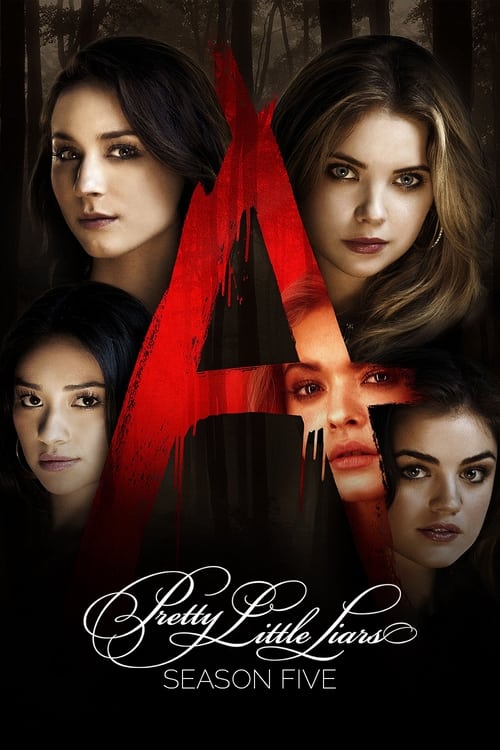
Pretty Little Liars
Season 5 Analysis
Season Overview
No specific overview for this season.
Season Review
Categorical Breakdown
The core cast remains the same, with no significant narrative focus on race or intersectional hierarchy; casting is historically authentic to the established characters. The central conflict is based on individual moral culpability, lies, and a shared tormentor, not on lectures about systemic privilege.
The hostility is focused inwardly on the Rosewood community and the corrupt institutions of its wealthy families, which are consistently portrayed as dysfunctional, secretive, and manipulative, leaning toward the framing of the 'home' as fundamentally corrupt. This critique remains on a personal and familial level, not a broader civilizational or national one.
The female leads are the central drivers of the plot, constantly outsmarting the authorities and the male characters who are either incompetent, manipulative (like Ezra Fitz, a former teacher in a highly questionable relationship with his student Aria), or outright villains. The narrative frequently elevates the competence and agency of the young women above the men, aligning with the 'Girl Boss' trope, although the leads are also shown as flawed and susceptible to emotional breakdown, which slightly lowers the extreme score.
Alternative sexuality is a long-established and central feature, specifically through the character Emily Fields, who is a prominent lesbian lead whose relationships are a major plot component. The season ends with the introduction of 'A' as Charles DiLaurentis, which serves as the setup for a major storyline in the subsequent season that centers on gender identity and transition, indicating a high focus on 'The Queer Theory Lens' even if the full reveal is not until later.
The show operates entirely within a framework of moral relativism where lying, blackmail, and covering up crimes are the primary means of survival for the protagonists. There is no presence of traditional religion as a source of strength or guidance, nor is there a belief in Objective Truth; morality is purely determined by the power dynamics of who can keep the most secrets.