The Book of Boba Fett
Season 1 Analysis
Season Overview
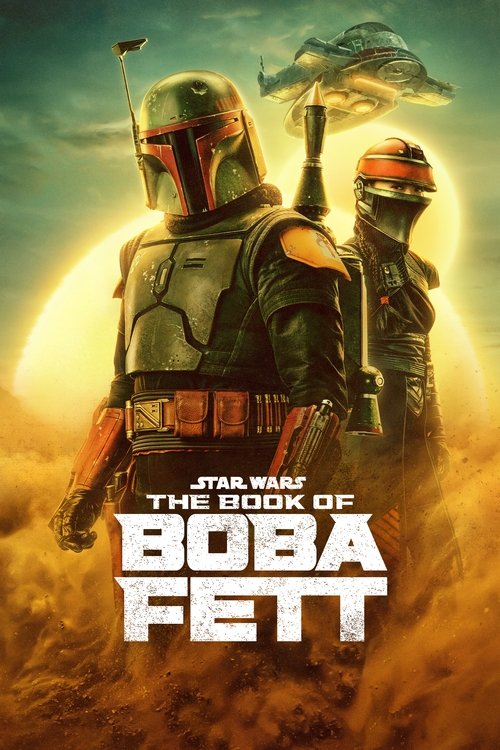
No longer just a hired gun, Boba Fett reinvents himself on the sands of Tatooine alongside Fennec Shand.
Season Review
Categorical Breakdown
The non-white protagonist, a clone of a non-white male, is saved and redeemed by immersion into the 'indigenous' Tusken Raider culture. This native culture is depicted as having deep spiritual and familial values, which contrasts sharply with the corrupt, Western-style capitalist crime syndicates. The white-coded crime bosses, the Pykes, are portrayed as the ruthless oppressors who ultimately wipe out the noble, non-white native tribe, reinforcing an oppressor-oppressed hierarchy.
The central civilizational theme is the protagonist rejecting his heritage as a lone-wolf bounty hunter, a classic Western anti-hero archetype, for a communal structure. The 'home' culture of the criminal underworld, which Boba attempts to conquer, is framed as fundamentally corrupt and based on fear and treachery. The alien/indigenous culture of the Tusken Raiders is depicted as spiritually superior, providing the hero with a moral code, a family, and a new way of life that he adopts to replace his former corrupted life.
The male protagonist is consistently written as ineffective and slow to act, often relying on the guidance and strategy of his female lieutenant, Fennec Shand. Fennec Shand is portrayed as the superior strategist and fighter, an ultra-competent 'Girl Boss' figure whose decisions cover the protagonist’s bumbling and indecisive leadership. The story de-emphasizes traditional masculine aggression in the male lead, favoring a 'softer,' more compassionate style of rule, which leaves him appearing emasculated in the face of his partner’s unwavering competence.
The series focuses exclusively on action, flashbacks, and the structure of the crime underworld. Traditional male-female pairing or nuclear family dynamics are not centered, but the story does not contain overt alternative sexual or gender ideology. Sexuality is kept private, and there is no lecturing on queer theory or transgender themes.
The narrative does not target traditional Earth-based religion. The show portrays the indigenous Tusken Raider culture as having sacred rites of passage and a deep, respected spiritual connection to their land. Morality is framed as the struggle between 'rule by fear' and 'rule by respect,' a clear distinction between a nihilistic power dynamic and an objective code of honor, leaning toward Transcendent Morality.