← Back to Directory
The White Lotus
TV Series

The White Lotus

2021Drama • 3 Seasons

Woke Score
7.9
out of 10

Series Overview

Follow the exploits of various guests and employees at an exclusive tropical resort over the span of a week as with each passing day, a darker complexity emerges in these picture-perfect travelers, the hotel’s cheerful employees and the idyllic locale itself.

Season-by-Season Breakdown

Season 1

9/10

First season follows the vacations of various hotel guests over the span of a week as they relax and rejuvenate in paradise. But with each passing day, a darker complexity emerges in these picture-perfect travelers, the hotel’s cheerful employees and the idyllic locale itself.

View Full Season Analysis

Season 2

6.8/10

Set at an exclusive Sicilian resort, follow the exploits of various guests and employees over the span of a week.

View Full Season Analysis

Season 3

8/10

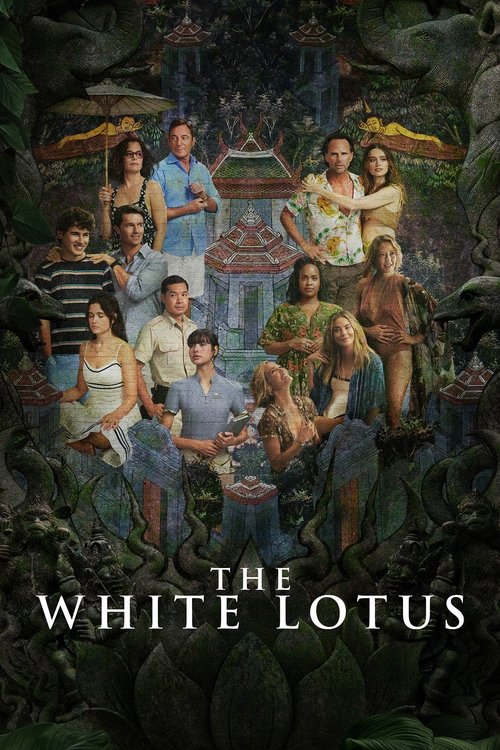
Set at a luxurious wellness resort in Thailand, the lives of wealthy guests and dedicated staff intertwine in unexpected ways. The season explores themes of privilege, personal transformation, and cultural contrasts, all set against the backdrop of stunning locales and intricate social dynamics.

View Full Season Analysis

Overall Series Review

The White Lotus is a sharply observed, darkly comedic anthology series that uses ultra-luxury resorts as crucibles for dissecting modern moral decay. Across its various exotic locations, the series maintains a consistent focus: the profound unhappiness and fundamental emptiness experienced by the affluent Western traveler. Whether set in Hawaii, Sicily, or Thailand, the core narrative structure pits entitled guests against the local staff and culture. The show consistently argues that vast wealth insulates individuals from real consequences, allowing them to act out their worst impulses without facing systemic repercussions. Overarching themes tie the entire series together. Privilege is always the catalyst for conflict, whether it manifests as colonial entitlement (Season 1), sexual entitlement (Season 2), or spiritual entitlement (Season 3). The series uses discomfort and social awkwardness as its main tools, exposing the superficiality of relationships—marriages, friendships, and professional bonds—as transactional arrangements sustained only by money. Characters are frequently defined by their inability to connect genuinely, retreating instead into self-absorption, anxiety, or toxic behavior. While the setting and subject matter change each season, the show’s messaging evolves in its target of critique. Season 1 was primarily concerned with class and racial power structures. Season 2 broadened this to examine the battlefield of sex and gender dynamics within marriage. Season 3 shifted the lens toward an explicit critique of Western ego, toxic masculinity, and spiritual superficiality when confronted with Eastern philosophy. Despite these shifts in focus, the constants remain: the staff are generally more grounded than the guests, and the locals often hold the moral or pragmatic upper hand, even if the rich guests ultimately escape punishment. In summary, The White Lotus is a cynical yet highly entertaining examination of wealthy American narcissism. It functions as a rotating, high-stakes social experiment where the scenery changes, but the fundamental human failings—greed, insecurity, and the desperate search for meaning in a materialistic bubble—remain fatally constant. The series paints a bleak but compelling picture of modern privilege, suggesting that beneath the surface of designer clothes and all-inclusive packages lies profound spiritual and emotional bankruptcy.

Categorical Breakdown

Identity Politics8/10

Oikophobia8.3/10

Feminism8/10

LGBTQ+7.3/10

Anti-Theism8.7/10