Glee
Season 6 Analysis
Season Overview
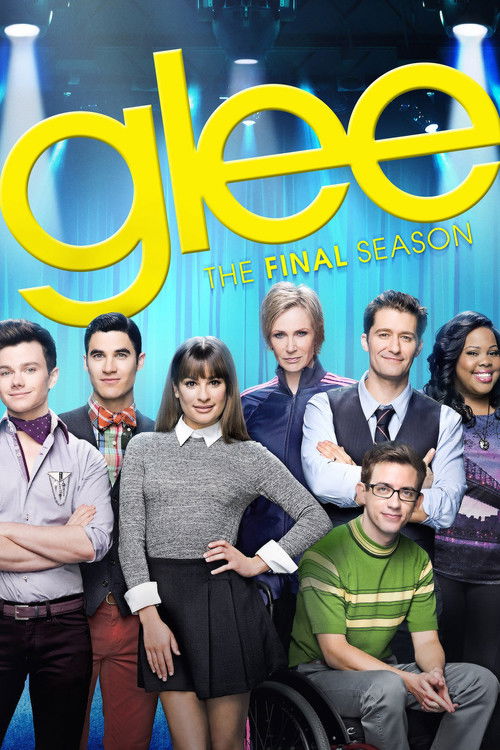
The show's final season sees a humbled Rachel return home, Kurt and Blaine at a crossroads and the glee club's future imperiled.
Season Review
Categorical Breakdown
Characters are selected and grouped based on their proximity to marginalized identities. Jane Porter’s storyline focuses entirely on her forcing her way into a historically all-male institution to dismantle its tradition. The script frequently lectures the audience on privilege and systemic exclusion.
The series portrays the American Midwest as a backward, stifling environment that must be reformed by 'enlightened' urban values. Traditional community structures are framed as obstacles to personal liberation rather than foundations of stability.
The narrative centers on 'Girl Boss' archetypes who consistently outshine and lecture the men around them. Professional ambition is framed as the highest calling, while traditional family roles are treated as secondary or non-existent for the lead female characters.
The season is an intense vehicle for Queer Theory. It features a double same-sex wedding and a major subplot where a long-standing female character undergoes a gender transition. The show treats biological sex as a social construct and frames the affirmation of these identities as the ultimate moral good.
Traditional religious faith is entirely absent or replaced by the 'church of self.' The show embraces moral relativism, where the only 'sin' is failing to support progressive social changes. Traditional Christian views on marriage and gender are treated as outdated bigotry.