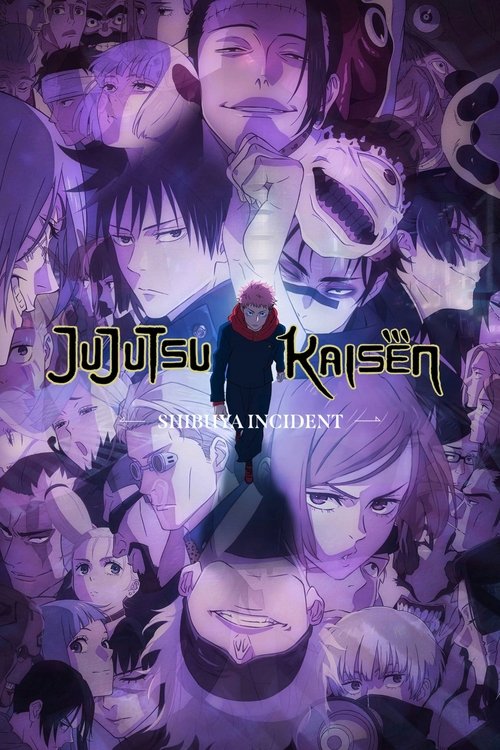
JUJUTSU KAISEN
Season 1 Analysis
Season Overview
No specific overview for this season.
Season Review
Categorical Breakdown
The narrative operates under a clear meritocracy based on cursed energy and sorcery skill. Character status is determined by innate ability and power level, not by immutable characteristics like race or gender. The cast is entirely Japanese, so the 'vilification of whiteness' and 'race-swapping' tropes are nonexistent. The focus remains on individual strength and moral conviction, aligning closely with universal meritocracy.
There is a significant critique of the internal 'Jujutsu Sect' authority, which is shown to be corrupt, secretive, and willing to sacrifice the protagonist for institutional stability. This is a deconstruction of a specific high-power institution, not a blanket demonization of Japanese culture, ancestors, or 'home.' The overarching goal of the protagonists is to save humanity and the local populace from Curses, demonstrating gratitude toward the need for order.
Female characters, such as Nobara Kugisaki and Maki Zen'in, are powerful, capable, and physically strong fighters. Nobara is a full, non-subservient member of the main trio and Maki is one of the strongest student fighters. However, none of the female leads are instant, perfect 'Mary Sues,' and their development and strengths align with the norms of the battle-shonen genre. There is no overt messaging that demonizes masculinity or presents motherhood as a 'prison.'
The season contains no explicit plotlines, lecturing, or overt themes centering on alternative sexualities, gender ideology, or the deconstruction of the nuclear family. The sexual content is private and non-ideological. The character dynamics follow a normative, traditional structure within the context of a high-school battle series.
The conflict is built on the supernatural concepts of Cursed Energy and Curses born from negative human emotions. The main villain, Mahito, actively preaches moral relativism, arguing that human life is worthless and that actions are justified without guilt, which the hero, Yuji, vehemently opposes by upholding an objective value for every life. The spiritual vacuum is the philosophy of the villains, which the heroes fight against, confirming a transcendent moral law as the core positive theme.