Fringe
Season 1 Analysis
Season Overview
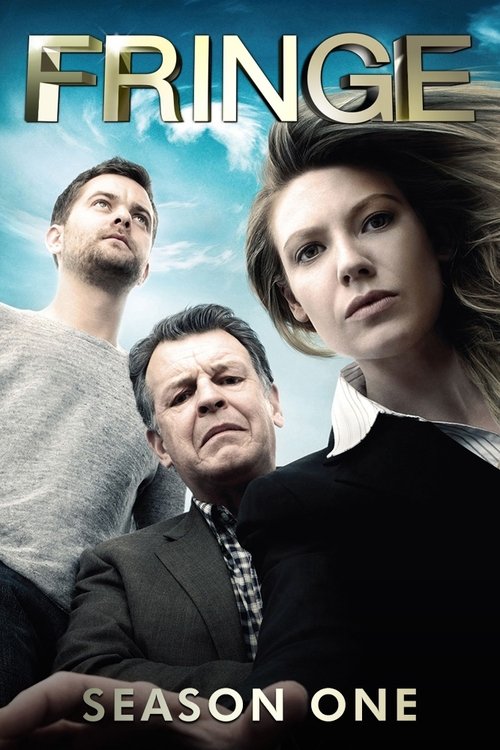
As the first season begins, FBI Special Agent Olivia Dunham is called in to investigate a mysterious outbreak that nearly kills her partner. The only person with any answers is an institutionalized scientist, Dr. Walter Bishop who can only be released under the care of his estranged son. Together, the three discover that the answer to this mystery is only a small piece of a much larger, more shocking truth.
Season Review
Categorical Breakdown
Characters are judged solely by their competence and intelligence. The cast is diverse, but the show never mentions race or identity as a factor in their roles or authority.
The series focuses on the FBI’s efforts to protect the nation from scientific threats. While it features a shadowy corporation, it does not depict Western civilization or its history as fundamentally corrupt.
Olivia Dunham is a highly capable protagonist who earns respect through hard work. She is not a 'Mary Sue'; she is frequently vulnerable and relies heavily on the unique skills of the male leads.
The season adheres strictly to normative relationship structures. Sexual orientation is not a topic of discussion, and there is no inclusion of gender ideology or queer theory.
The narrative explores the dangers of scientists 'playing God,' framing hubris as a source of catastrophe. It treats the unknown with a sense of wonder and caution rather than mocking spiritual beliefs.