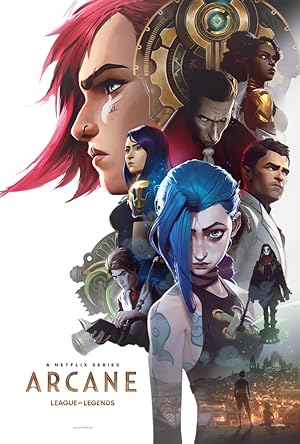
Arcane
Series Overview
The delicate balance between the rich city of Piltover and the seedy underbelly of Zaun. Tensions between these city-states boil over with the creation of hextech a way for any person to control magical energy in Piltover, and in Zaun, a new drug called shimmer transforms humans into monsters. The rivalry between the cities splits families and friends as Arcane brings life to the relationships that shape some of League of Legends' famous champions including Vi, Jinx, Caitlyn, Jayce and Viktor.
Get the Weekly Woke Watchlist
New and trending movies scored for woke bias, preachy messaging, and forced political themes — before you waste your evening.
No spam. One useful email per week.
Season-by-Season Breakdown
Season 1
Two sisters. Two cities. One discovery that will change the world forever. In the cities of Piltover and Zaun, unrest stirs as inventors and thieves, politicians and crime lords chafe against the constraints of a society torn asunder.
View Full Season AnalysisSeason 2
Alliances are forged, allegiances are smashed and fresh dangers emerge as the battle between Piltover and Zaun inspires both glory and heartbreak.
View Full Season AnalysisOverall Series Review
Categorical Breakdown
Get the Weekly Woke Watchlist
New and trending movies scored for woke bias, preachy messaging, and forced political themes — before you waste your evening.
No spam. One useful email per week.