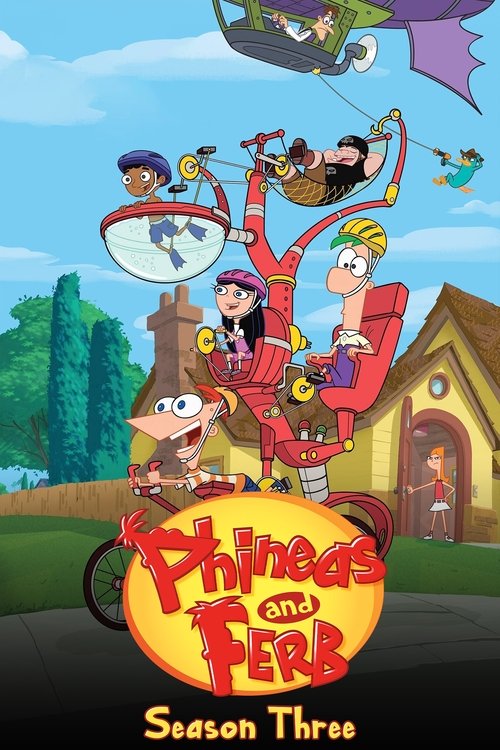
Phineas and Ferb
Season 3 Analysis
Season Overview
No specific overview for this season.
Season Review
Categorical Breakdown
The cast includes diverse characters who are judged solely on their individual merits and talents. No narrative time is dedicated to exploring privilege or systemic oppression, and diversity is treated with genuine colorblindness.
The series portrays the American suburban experience as a landscape of safety, opportunity, and creative freedom. It treats community traditions and national holidays with respect and gratitude.
Male and female characters exhibit distinct but complementary strengths. Characters like Isabella lead highly competent meritocratic organizations, while Candace is motivated by traditional family roles and romantic interests. Motherhood is depicted as a respected and fulfilling state.
The narrative centers on traditional family structures and heterosexual romantic interests, such as the relationship between Candace and Jeremy. There is no presence of gender theory or alternative sexual ideologies.
While the show is primarily secular and focused on scientific curiosity, it maintains a positive view of objective morality and traditional holidays. It avoids hostility toward faith and respects the cultural significance of religious-based traditions like Christmas.