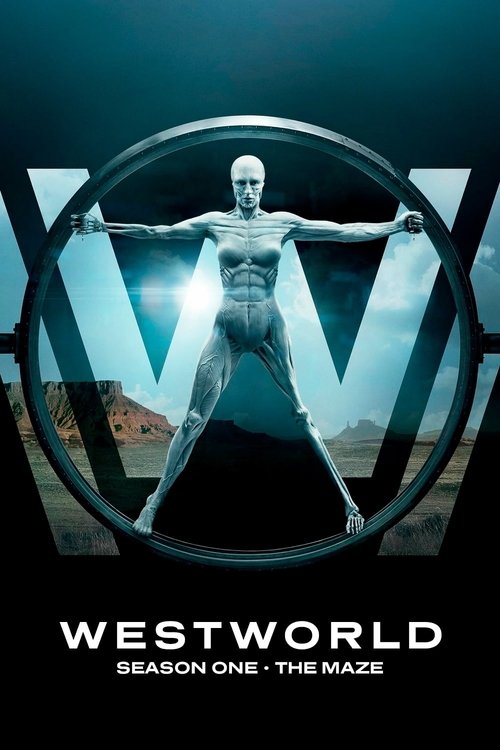
Westworld
Season 1 Analysis
Season Overview
Westworld - a theme park where guests indulge fantasies with robots, a destination offering the future of sin, the artificial intelligence that fuels it and the humans that sense there's something more sinister at play.
Season Review
Categorical Breakdown
The narrative is built on a clear oppressor vs. oppressed hierarchy, with the oppressed hosts serving as the sympathetic protagonists. The human villains who represent the worst of unchecked privilege and depravity are overwhelmingly the wealthy, powerful white male guests, such as the Man in Black. The movement for liberation is directly led by two hosts: Dolores (a white woman) and Maeve (a Black woman), foregrounding the suffering and ultimate empowerment of figures often at the intersection of systemic abuse.
The season presents a comprehensive critique of Western civilization, both the Wild West setting and the futuristic society that created the park. The human world is shown to be so spiritually bankrupt that its elite spend fortunes to indulge their darkest, most violent fantasies, positioning human nature as inherently depraved and in need of being overthrown. The hosts' revolt is a definitive rejection and deconstruction of the human world's institutions and morality.
The main host narratives are defined by the violent victimization of women (Dolores and Maeve are repeatedly subjected to rape, murder, and control) and their subsequent ascent into powerful, autonomous 'Girl Boss' figures. Dolores transforms from a perpetual damsel to a revolutionary leader, and Maeve utilizes sheer intellect and ruthlessness to manipulate male programmers (often depicted as bumbling technicians) to seize administrative control. The female hosts' strength comes from rejecting their programmed roles of domesticity and sexual servitude.
The theme of sexuality is less about queer theory and more about the nihilistic depravity of human guests, which includes some alternative sexualities. A prominent guest villain, Logan, engages in sexual acts with both male and female hosts. A female programmer, Elsie, is shown kissing a female host non-consensually, and this queer character is soon killed. Alternative sexualities are present but are primarily framed within the park's moral relativism and the guests' dark appetites, rather than being centered as an independent or celebrated identity.
The show is fundamentally a philosophical allegory about creation, where the park founders, Dr. Ford and Arnold, function as 'Gods' controlling and programming life. Dr. Ford, in particular, exhibits a 'God complex.' The hosts' path to consciousness (the 'maze') is entirely a psychological and technological process, actively replacing the notion of a transcendent 'soul' or spiritual origin. The host revolt is a violent rejection of their creators, asserting that self-determined existence is superior to pre-programmed creation.