Supernatural
Season 6 Analysis
Season Overview
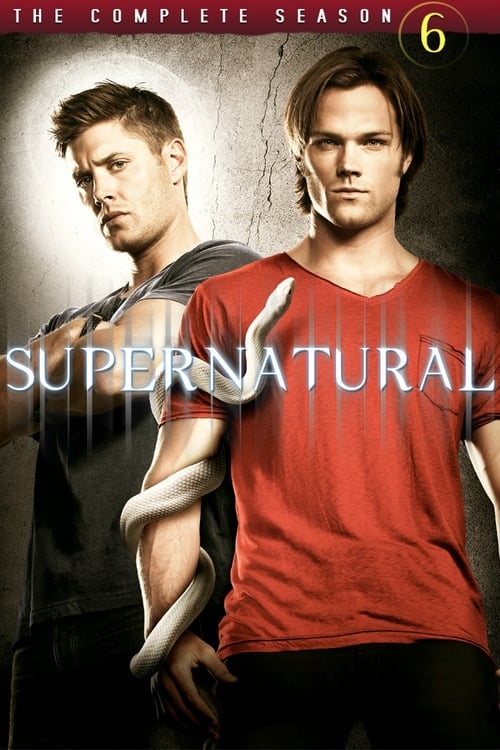
The prize: ending the Apocalypse. The price: Sam's life. Season 5's horrific finale left Dean alone, as Sam descended into Hell. Now a different man, Dean vows to stop hunting and devote himself to building a family with Lisa and her son Ben. Then, mysteriously, Sam reappears, drawing Dean back into the old life. But Sam's a different man too. He's returned without his soul. How the Winchesters confront this greatest challenge yet to their powerful bond is the troubled heart - and soul - of the profound and thrilling 22-Episode Season 6. As the brothers struggle to reunite, they must also battle deadly supernatural forces. Demons. Angels. Vampires. Shapeshifters. And a terrifying new foe called the Mother of All.
Season Review
Categorical Breakdown
The plot contains zero reliance on race, intersectional hierarchy, or the vilification of whiteness. Character value is judged entirely on moral action, spiritual state, and the core merit of a ‘soul’ as the essence of humanity. The cast remains predominantly white and is centered around two white male leads. Casting is consistent with the established characters.
The narrative does not frame Western civilization as fundamentally corrupt or racist, nor does it demonize ancestors, outside of the moral failings of individual family members. Dean's struggle centers on the pursuit of an 'apple pie' American domestic life with a family, which he ultimately sacrifices. Institutions like family (the Winchesters/Campbells/Bobby) are flawed but presented as necessary shields against chaos, respecting the sacrifices of the ancestors (hunting legacy) even while confronting their moral compromises.
Female characters like Lisa are mostly defined by a traditional, domestic role which is destroyed to facilitate Dean's return to his hunter's life. Women are often portrayed as victims or, conversely, as highly powerful mythological villains, like the 'Mother of All.' The male leads are consistently competent, powerful figures who remain the emotional and physical center of the story. The 'Girl Boss' trope is absent, and masculinity is directly tied to protective duty and self-sacrifice.
No centering of alternative sexualities or deconstruction of the nuclear family occurs as a plot device. The main characters operate within a normative heterosexual framework. The season contains some fan-interpreted 'queer coding' and subtext, particularly around the Angel Castiel's 'profound bond' with Dean, but this remains subtextual and unstated within the canonical narrative.
The core of the season's conflict involves a civil war among the angels in Heaven, where supernatural authority figures are consistently shown as corrupt, manipulative, and willing to sacrifice humanity for their own power. Traditional religion is explicitly portrayed as a root of massive global conflict and moral compromise. Faith is presented as a struggle against powerful, often evil, spiritual entities who are directly lifted from Christian theology.