Supernatural
Season 5 Analysis
Season Overview
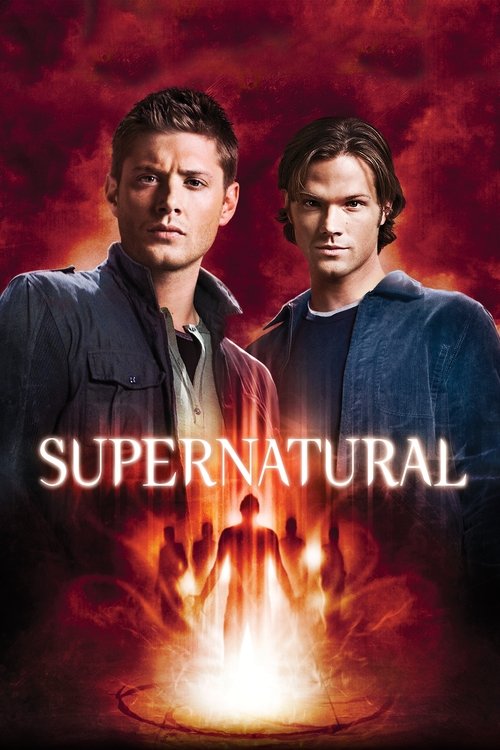
Two brothers and one fallen angel - against all the might of Satan and his army! As the Apocalypse grows closer, threatening to turn Earth into a battlefield soaked with human blood, Sam, Dean and Castiel struggle against daunting odds. New foes arise, including the Four Horsemen of the Apocalypse. Old friends depart, consumed by the fearsome wrath of Hell. Through it all, the Winchesters are targeted by demons and angels alike, who warn that each brother has a special and terrible role to play in the coming devastation. Season Five follows Sam and Dean on their most terrifying journey yet, one that may lead them to the only ally strong enough to defeat the Devil: God.
Season Review
Categorical Breakdown
The narrative is centered entirely on the merit and choices of the two white male leads, Sam and Dean Winchester. The plot does not rely on race or intersectional hierarchy and contains no discussion of systemic oppression or privilege. Characters of color, like Rufus Turner, appear as capable hunters whose race is irrelevant to their character or plot function. The casting and characterization are colorblind and merit-based.
The season directly deconstructs the central religious institution of Western civilization, framing the Christian Heaven and its Archangels as an authoritarian force actively working to bring about the destruction of the world. God is portrayed as an absent or indifferent figure who abandoned creation, and humanity's survival is contingent upon rejecting the destiny he set. The brothers ultimately fight to save 'humanity' and 'free will' against their own lineage's predetermined, quasi-scriptural roles.
The story features the tragic deaths of two significant, competent female characters, Jo and Ellen Harvelle, in an episode about their joint sacrifice to aid the main male characters' mission. This continues a pattern of female characters being killed or marginalized to advance the emotional arcs and plot of the central male leads, positioning women as vital but ultimately disposable supportive figures. The narrative centers on a core, protective male relationship, the Winchesters, with no signs of 'Girl Boss' tropes.
The season contains a normative structure for the time it was produced. Sexual identity is not a central theme, and the focus remains on the main characters' personal sacrifices and the metaphysical apocalypse. There is no deconstruction of the nuclear family through a queer lens, nor is there any focus on gender ideology or alternative sexualities as a political or moral statement.
The entire season is built around the idea that the Christian Apocalypse is inevitable because the Archangels of Heaven are tyrannical and set on war, while Lucifer is a sympathetic-at-times fallen figure who was misunderstood. The narrative elevates the human will of the two brothers—their free choice and their love for each other—above the dictates of a pre-established higher power. This theme suggests that transcendent morality is not found in God or organized religion, but in secular, humanist values like free will and brotherhood, positioning traditional religion as the source of the world's greatest evil.