Supernatural
Season 2 Analysis
Season Overview
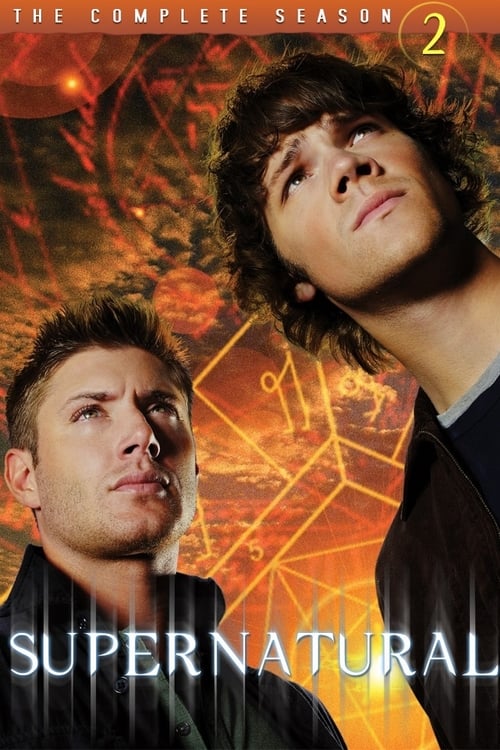
They're back the ghouls and vampires, the ghosts and spirits and even more terrifying entities. And wherever these evil beings are, you'll find brothers Sam and Dean Winchester, hunters on the trail of the demon who murdered their mother…and of any other unholy agent of the Supernatural. Join the brothers in their mind-bending, bone-chilling Season 2 road trip across America a journey deeper into the mystery of their own destinies.
Season Review
Categorical Breakdown
The plot centers on two white, heterosexual males whose personal tragedy and quest for revenge drive the entire season. Character worth is determined by a hunter's skill, loyalty, and willingness to sacrifice for family, aligning completely with the universal meritocracy ideal. No dialogue or storyline lectures on race, privilege, or intersectional hierarchy.
The brothers drive across America in their classic car, saving innocent people and their homes from monsters in a 'monster-of-the-week' format. This structure reinforces the value of the common American community and culture by making the mission 'saving people.' The critique is aimed at the dysfunctional Winchester family itself, not a demonization of American or Western civilization as fundamentally corrupt.
The show is dominated by two male leads and their paternal drama. Recurring female characters, such as Ellen and Jo Harvelle, are introduced as competent hunters but remain secondary to the brothers' central journey. The narrative frequently uses the 'fridging' trope where women are killed to motivate the male protagonists. Dean's character exhibits objectifying behavior and makes comments that are perceived as sexist, directly opposing the 'Girl Boss' trope and celebrating traditional masculinity.
The core relationship is the intense, platonic brotherhood between Sam and Dean. The show presents a strictly normative structure where traditional male-female pairings are the standard, though usually short-lived for the Winchesters. The narrative contains no elements of queer theory, gender ideology, or centering alternative sexualities for political lecturing.
The core conflict is the fight against literal metaphysical evil (demons, Hell), which grounds the series in an objective moral framework. The main characters use Christian symbols—holy water, exorcisms, the Colt—as powerful tools against evil. The show does not make Christianity the source of evil, but it does critique fanatical or misguided faith, such as an antagonist who believes he is carrying out God's will by murdering perceived sinners. Sam even admits to praying every day, showing faith is a source of strength, not a weakness.